Hey Superheroes,
This was the week the AI trade was asked to show its working.
On Thursday a Financial Times report put OpenAI’s annualised revenue at around US$50 billion, roughly US$20 billion below the figure doing the rounds a week earlier. The Nasdaq fell 1.25% on Thursday as chipmakers sold off. By Friday morning, the biggest proposed IPO Australia has seen in almost three decades had been pulled. More on both below.
Closer to home, borrowing costs are doing the damage. The RBA’s fourth hike of the year has taken the cash rate to 4.6%, its highest level since 2011, and Westpac expects the standard variable mortgage rate to push above 9% for the first time since 2008. The ASX 200 fell 0.77% to 8,660.9 on Thursday, with miners down more than 2% as the materials sector led the losses.
Here’s what else moved this week.
The float that wasn’t
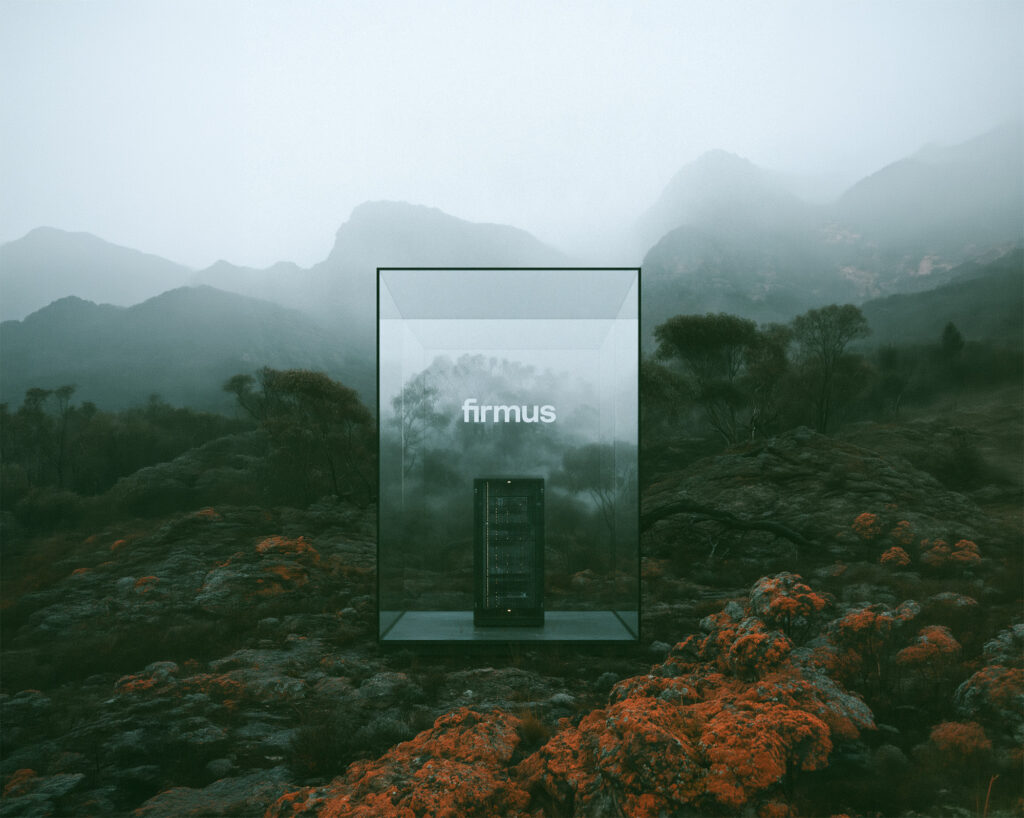
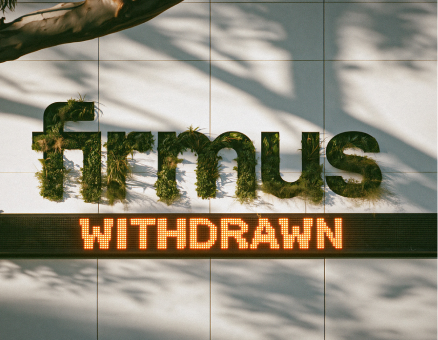
Firmus spent September as the hottest ticket in Australian markets. By Friday morning, the deal was off.
The deal
Firmus, the AI data centre operator backed by Nvidia (NASDAQ:NVDA) and Blackstone (NYSE:BX), withdrew its application to list on the ASX on Friday, citing recent market volatility. It had been marketing shares at A$11, which implied a valuation of about A$43.7 billion and a raise of up to US$5.5 billion. At that size it would have been the second largest float in Australian history, behind only Telstra in 1997.
Earlier in the week the offer price was reportedly cut to A$8.25, taking the implied valuation down 25% to about A$33 billion. Even that wasn’t enough. The board said the terms on offer would not reflect the strength of the business, and Firmus will now look to private markets for capital instead.
Why investors balked
The first issue was price. Firmus was valued at about A$10.5 billion after an August funding round, then asked public investors to pay more than three times that less than two months later.
The second was the build. Only about 5% of the data centre capacity Firmus has sold is actually built and running, compared with roughly 25% at listed rival NextDC (ASX:NXT). The third was supply. Some investors worried existing shareholders could sell large amounts of stock soon after listing.
The fallout reached the listed market too. Maas Group (ASX:MGH), which owns about 3.2% of Firmus, fell more than 22% in a single session when the repricing news broke and has since entered a trading halt.
What the numbers don’t tell us
A pulled IPO is not the same thing as a failing business. Firmus still has more than 900 MW of contracted capacity and a US$10 billion debt facility led by Blackstone. What the week does show is that institutional investors are drawing a firm line between AI capacity that has been sold and capacity that has actually been built.
For retail investors who were lining up for the offer due to open on 12 October, there is nothing to apply for now. If Firmus does return to the ASX, both the price and the build are likely to look very different.
OpenAI’s US$20 billion gap
OpenAI doesn’t trade on any exchange. On Thursday it moved the Nasdaq anyway.
The numbers
According to the FT, OpenAI told investors its annualised revenue was approaching US$50 billion at the end of September. Annualised revenue takes recent monthly sales and scales them up to a full year. Late last month several outlets, including the FT, had reported a figure closer to US$70 billion.
The Nasdaq Composite fell 1.25% and the S&P 500 fell 0.5% as selling spread across chipmakers, cloud providers and AI infrastructure names. Nvidia fell 2.9%, AMD (NASDAQ:AMD) 3.9% and Micron (NASDAQ:MU) 4.8%, while Oracle (NYSE:ORCL) dropped more than 5%.
Where the gap came from
It comes down to how revenue is counted. Anthropic includes sales made through cloud partners such as AWS and Google Cloud in its annualised figure, while OpenAI counts only its own net revenue. The US$70 billion number came from OpenAI’s own investors trying to compare the two companies on the same basis.
OpenAI also told investors its revenue grew more than 70% over the period. At US$50 billion, though, it now sits below Anthropic’s reported US$65 billion.
What the numbers don’t tell us
Nothing about OpenAI’s business changed on Thursday. It is still growing quickly, and it booked about US$13 billion in revenue for all of 2025. What changed was confidence in the yardstick.
With both OpenAI and Anthropic expected to list, and a large share of AI infrastructure spending justified by their growth, investors are likely to look much harder at how these figures are put together. Public prospectuses should eventually put both companies on a common, audited footing. Until then, run rate headlines deserve a second look.
Some other things we’re shining the Spotlight on:
Consumer sentiment slumps after the RBA hike
The Westpac Melbourne Institute Consumer Sentiment Index fell 4.7% to 80.4 in October. Among people surveyed after the RBA’s decision, the reading was just 67.2, a level Westpac says has only been seen in the depths of the early 1990s recession, and nearly 20% below those surveyed beforehand. Westpac still expects the RBA to hike again at its 2 to 3 November meeting.
Amazon and Meta clash over AI shopping
Amazon (NASDAQ:AMZN) has been blocking Meta’s Muse shopping agent since 20 September, saying it didn’t identify itself while browsing and appeared to store customer credentials. This week Meta (NASDAQ:META) hit back, unveiling a standard for how AI agents sign in at businesses with Sierra, Walmart and Stripe. Amazon also blocks agents from OpenAI, Google, Anthropic and Perplexity while running its own shopping assistant, so the real fight is over who controls the checkout and the advertising that comes with it.
Paramount and Warner Bros become Skydance
Paramount’s US$110 billion takeover of Warner Bros. Discovery officially closed on Tuesday, creating a single company called Skydance that now trades on the New York Stock Exchange (NYSE:SKYD). It brings Paramount, Warner Bros, HBO and CBS under one roof, along with two global streaming services and two major film studios. Outgoing Warner Bros. Discovery chief David Zaslav leaves with a payout of about US$606 million.
Keep up to date on the markets by following us on Instagram @superheroau.