

April 13, 2026
The Strait of Hormuz Energy Shock: What’s Really Going On
There’s been a late shift in the story. The US and Iran have agreed to a conditional two-week ceasefire, tied to reopening the Strait of Hormuz. On paper, that’s a meaningful step towards de-escalation. But it’s early, and it’s fragile. The next two weeks matter. Markets will be watching whether oil actually flows, whether talks…


There’s been a late shift in the story.
The US and Iran have agreed to a conditional two-week ceasefire, tied to reopening the Strait of Hormuz. On paper, that’s a meaningful step towards de-escalation. But it’s early, and it’s fragile.
The next two weeks matter. Markets will be watching whether oil actually flows, whether talks make progress, and whether both sides hold the line. Because in this environment, things can change quickly, sometimes on the back of a single presidential post.
And importantly, this doesn’t reset what’s already happened. At best, it pauses it.
Until very recently, the Strait of Hormuz had effectively shut down.
This narrow stretch of water between Iran and Oman moves around one-fifth of the world’s oil and a major share of global LNG. When flows stalled, the impact wasn’t gradual. It was immediate.
At peak disruption, around 18–20 million barrels a day were affected.
That’s not just a bottleneck. It’s a break in the system.
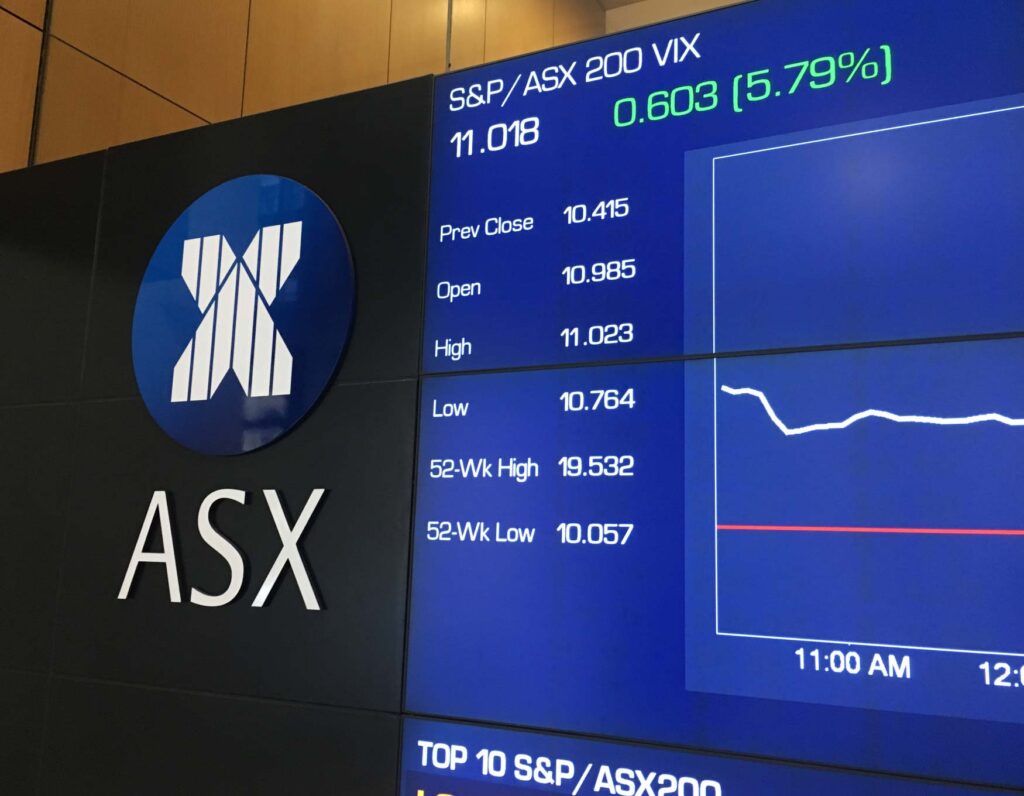
Markets reacted fast. Volatility snapped back, led by energy. Oil surged from around US$70 to $120, before settling near $110.
From there, the effects started to spread.
Across Asia, fuel rationing emerged. Supply chains tightened. And in Australia, petrol is tracking towards $2.65 a litre, with rate expectations shifting higher as inflation risks rebuild.
This isn’t just another headline. It’s one of the largest energy supply shocks in decades, and it’s still unfolding.
So what’s actually broken here? What are markets really pricing? And where does that leave investors?
How We Got Here: Strikes to Strait Shutdown
So how did we get from a functioning global trade route to this kind of disruption?
This didn’t come out of nowhere. But the speed of escalation caught markets off guard.
In late February 2026, US and Israeli forces launched strikes on Iranian military and nuclear sites. Iran’s response was immediate, but not conventional.
Rather than escalate into a direct, prolonged conflict, it targeted leverage.
And few levers matter more than energy flows.
Tehran’s playbook is deliberate: stretch negotiations, test patience, and apply pressure without tipping into full-scale war. The recent ceasefire proposal fits that pattern, linking any de-escalation to control and conditions around the Strait itself.
Meanwhile, disruption hasn’t paused.
Drone and missile activity has continued at scale, calibrated to avoid outright escalation but persistent enough to keep markets and militaries on edge. At sea, risks escalated quickly, with mines, fast boats and targeted attacks reshaping the operating environment.
The turning point came when confidence broke.
Two very large crude carriers were sunk. Insurance premiums surged more than tenfold. Shipping operators pulled back.
Within days, one of the world’s most critical energy arteries became effectively unusable.
The disruption didn’t stop there. Qatar’s Ras Laffan LNG facility was hit, with repairs likely to take years, not months.
By early March, flows through the Strait had collapsed.
That’s the backdrop the current ceasefire is trying to stabilise.
And it’s why markets aren’t treating it as a resolution, at least not yet.
Why the Strait Matters So Much
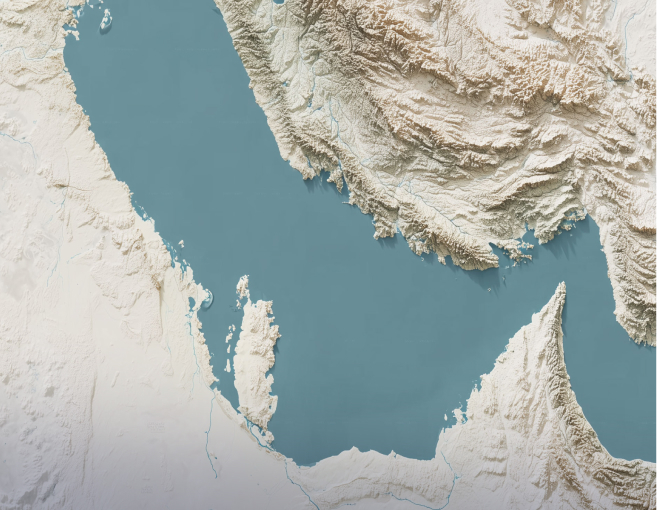
On a map, the Strait of Hormuz looks small. In reality, it’s one of the most important chokepoints in the world.
At its narrowest, it’s about 21 miles wide. Through that gap flows:
- Around 18 to 20 million barrels of oil per day
- Roughly 20% of global LNG supply
- Key exports from Saudi Arabia, the UAE, Iraq, Kuwait and Iran
There are alternatives, like pipelines that bypass the Strait. But they don’t come close to replacing that volume. Saudi/UAE pipelines cap at 5 million barrels per day, nowhere near enough to replace normal flows.
So when movement through the Strait slows or stops, the impact isn’t gradual.
It’s immediate, and global.
The Numbers: 18 Million Barrels Stranded Daily
To understand the impact, it helps to look at the scale.
Before the disruption: ~18.5 million barrels per day were shipped through the Strait
At the height of disruption: around 0.5 million barrels per day were getting through.
Iran has allowed limited “non-hostile” passage, but under strict conditions. Vessels must go through detailed vetting processes, with ownership and cargo disclosures routed through offshore networks.
In practice, that hasn’t unlocked meaningful flow.
Even after accounting for strategic reserve releases, increased output from producers like Saudi Arabia, and stored oil being drawn down, a significant portion of supply remained offline.
At peak disruption, this equated to roughly 18 million barrels per day affected.
For context, previous shocks like the 1979 Iranian Revolution and the 1990 Gulf War removed around 4% of global supply.
This event is broader, faster, and more complex.
What Happens Next: Markets Adjust in Real Time
Now markets are trying to price what happens next.
We’ve seen:
- Brent crude spike above US$120 before settling near $110
- LNG prices surge across Asia
- Refining margins widen sharply
But this isn’t just about higher prices.
It’s about what those prices now represent.
Markets are pricing two things at once:
- Ongoing disruption to supply
- Uncertainty around how quickly it might unwind
The conditional ceasefire adds another layer. If flows through the Strait resume meaningfully, some of that risk premium could fade. But until tankers move freely and insurers return, markets are unlikely to treat this as resolved.
For now, pricing reflects hesitation as much as it does scarcity.
That shows up across the system.
Shipping routes are longer. Insurance is more expensive. Inputs are tighter, and less predictable.
And those pressures don’t stay contained within energy markets.
They spread.
Australia: Feeling It at the Pump (and Beyond)
For Australians, this isn’t some distant threat. Petrol prices have surged to $2.65 a litre. Diesel has moved past $3.25. Even with a 26¢ lifeline from halved exercise, the impact is still being felt.
Higher fuel costs lift transport expenses. That feeds into food prices, goods, and services. Over time, it shows up in inflation.
We’re already seeing that shift in expectations.
Westpac is forecasting headline CPI to reach around 5.4% year-on-year in Q2. At the same time, interest rate markets are pricing in further tightening, with expectations of multiple rate hikes pushing the cash rate towards 4.85%.
That may put the Reserve Bank in a difficult position. Growth is slowing, but inflation risks are rising again.
There’s no easy setting for policy in that environment.
The Opportunity: Where Leadership Shifts
Not all parts of the market respond the same way. Markets will likely wait to see if the latest ceasefire holds.
But periods like this tend to reshape leadership.
Higher oil and gas prices support producers, particularly those outside the disruption zone. For Australia, that matters. LNG exporters are increasingly valuable in a market where reliability is being repriced, not just supply.
That’s a structural shift, not just a short-term trade.
There are also second-order effects.
As energy costs rise:
- Mining becomes more expensive
- Fertiliser supply tightens
- Agricultural costs increase
That can support a broader range of commodity prices.
Beyond commodities, geopolitical tension often accelerates:
- Defence spending
- Investment in energy security
- Infrastructure designed to bypass chokepoints
These trends were already in motion. This kind of shock tends to speed them up.
Where the Risks Sit
For every winner, there’s usually a trade-off somewhere.
And right now, upside scenarios are conditional on the ceasefire holding. But the impact of events so far won’t unwind instantly.
Consumers feel it first. Higher energy costs reduce disposable income, which can lead to softer demand across retail and non-essential sectors.
Transport-heavy industries are also exposed. Airlines, in particular, face margin pressure as fuel costs rise and demand becomes more price-sensitive.
These pressures build gradually, but they add up.
A ceasefire could relieve some of that pressure. But if disruption persists, the risk shifts from inflation to slowdown.
Businesses begin to delay investment. Consumers pull back spending. Growth loses momentum.
At that point, central banks face a more difficult balancing act, managing inflation without pushing economies into contraction.
It’s not just about higher prices anymore. It’s about how long they last.
The Bigger Picture: This Is About More Than Oil
It’s easy to focus on prices, but this is really about resilience.
Global supply chains have been built for efficiency. Events like this highlight the trade-offs that come with that.
Key questions are now back in focus:
- How secure are global energy supply chains?
- How quickly can alternatives scale?
- Will this accelerate shifts towards renewables or nuclear?
These are structural considerations, not short-term market reactions.
Three Scenarios From Here
No one knows exactly how this plays out. But we can map a few realistic paths.
1. Base Case: Gradual Stabilisation
The ceasefire holds. Partial access to the Strait returns over the coming months. Supply improves, but risk premiums remain.
Oil stays elevated in the near term before easing over 12–18 months. Inflation remains sticky, while growth slows but avoids a sharp downturn.
Markets adjust, rather than break.
2. Upside: Faster De-escalation
If tensions ease more quickly, shipping resumes at scale and energy prices normalise faster than expected.
Risk assets would likely respond positively, with emerging markets recovering and central banks regaining flexibility.
The key swing factors here are:
- Can the ceasefire hold
- How quickly confidence returns to shipping and insurance markets
3. Downside: Prolonged Disruption
If constraints persist, oil prices could move significantly higher and demand destruction becomes more likely.
That could mean slower global growth or recession, rising unemployment, and more aggressive policy responses.
In this scenario, energy may still outperform, but broader markets would face sustained pressure.
What It Means for Investors
Moments like this can feel overwhelming. Headlines move fast. Markets react even faster.
But the fundamentals still matter.
- Diversification becomes more valuable in volatile environments
- Exposure to energy and commodities can help balance portfolios
- Interest rate expectations can shift quickly, so staying flexible matters
One thing is clear.
This isn’t just an oil story. It’s a shift in how markets price uncertainty, and that tends to persist longer than the initial shock.
Final Word
The Strait of Hormuz shock is a reminder that the global economy runs on more than supply and demand.
It runs on access, stability, and confidence.
When one of those breaks, even temporarily, the effects travel fast.
We’re still early in how this plays out. And things can change quickly. But understanding what’s driving it puts you in a stronger position than reacting to headlines alone.

Become a part of
our investor community
Why you should join us:
- Join free and invest with no monthly account fees.
- Fund your account in real time with PayID.
- Get investing with brokerage from $2. Other fees may apply for U.S. shares.
Read our latest articles
Make knowledge your superpower and up your skills and know-how with our news, educational tools and resources.