

November 21, 2025
Buffett’s $5 Billion Google Gamble
Wild week for markets: Nvidia crushed earnings with $65B guidance, but tech stocks still tanked. Meanwhile, Buffett just dropped $5B on Alphabet. What's the Oracle of Omaha seeing that markets missed? Get your 3-minute market hit.


Scan this article:
Hey Superheroes,
It was a wild week for markets, with whiplash-inducing volatility across global equities. The S&P 500 and Nasdaq initially surged on strong Nvidia earnings before reversing sharply, wiping out US$3 trillion in just six hours as doubts about AI valuations turned to fear. Back home, the ASX 200 fell nearly 2%, hitting a six-month low as uncertainty around U.S. interest rates sparked a widespread sell-off.
Adding to the jitters, the Fed’s latest minutes warned that lower rates could hinder inflation efforts, while a stronger-than-expected U.S. jobs report (delayed by the government shutdown) pushed unemployment to 4.4%, dashing hopes for near-term rate cuts.
Bitcoin is also down 20% this past month to US$88,000.
Let’s dive into this week’s biggest stories.
Nvidia’s Blackwell Boom
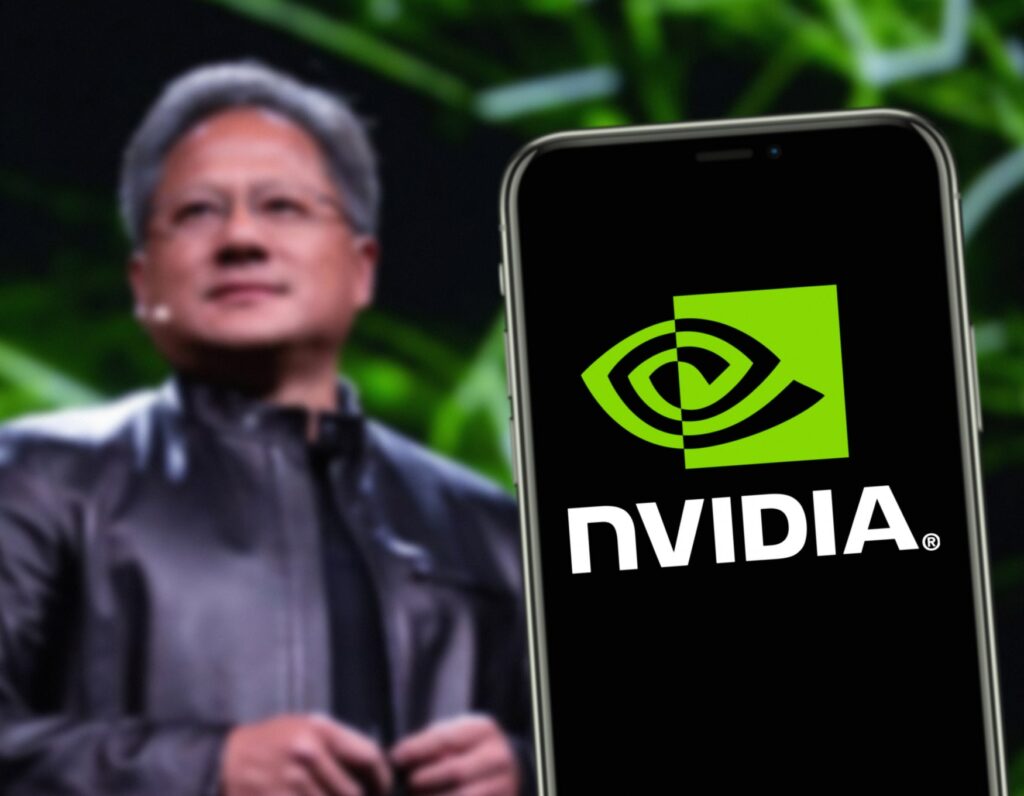
Nvidia just delivered one of the strongest earnings beats in recent memory… and the market still couldn’t decide how to feel about it.
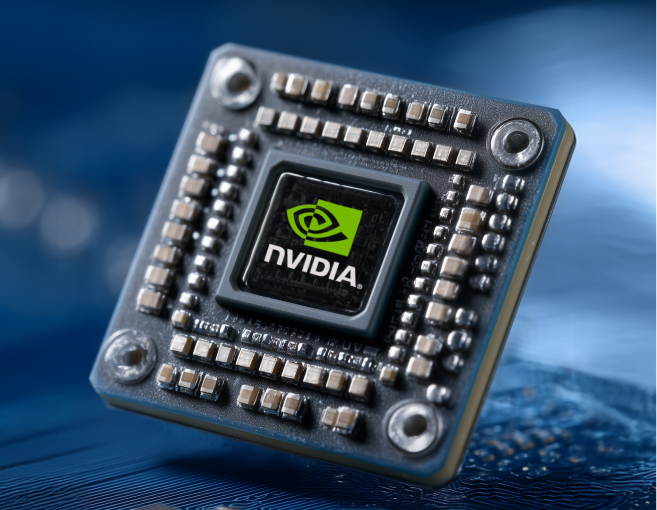
The AI chipmaker reported fiscal Q3 revenue of US$57.01 billion, smashing expectations of US$54.92 billion, and guided for US$65 billion in Q4 sales, well above the US$61.66 billion analysts were expecting. Shares initially jumped 4% in after-hours trading before being swept up in the broader tech sell-off.
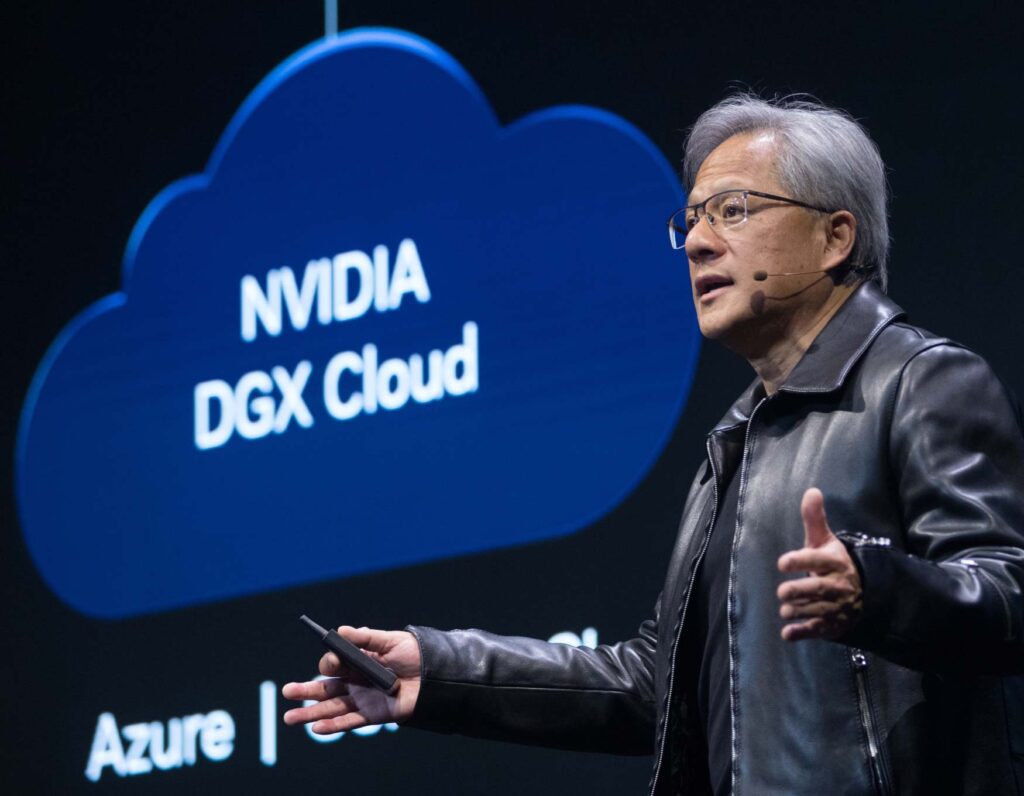
CEO Jensen Huang didn’t mince words: sales for Nvidia’s current-generation Blackwell chips are “off the charts.”
💰 The numbers behind the hype
Net income rose 65% to US$31.91 billion, up from US$19.31 billion a year ago. Data centre sales (Nvidia’s bread and butter) hit US$51.2 billion, up 66% year-on-year and easily beating the US$49.09 billion analysts forecast.
Of that, US$43 billion came from “compute” sales (the GPUs themselves), with much of the growth driven by early shipments of the company’s new GB300 chips. Networking hardware, which connects scores of GPUs to function as one supercomputer, added another US$8.2 billion.
Nvidia’s finance chief, Colette Kress, revealed the company’s best-selling chip family is now Blackwell Ultra, the second-generation version of its flagship Blackwell line.
🤖 Sold out and scaling up
Huang addressed investor concerns head-on, saying “cloud GPUs are sold out” and dismissing talk of an AI bubble. He also confirmed that Nvidia has US$500 billion in orders locked in for 2025 and 2026 combined, a number Kress says “will grow.”
The company’s megacap customers are backing that up. Microsoft, Meta, Amazon and Alphabet collectively expect to spend over US$380 billion on AI infrastructure this year, with much of that flowing to Nvidia.
Beyond data centres, Nvidia posted strong results across its legacy businesses. Gaming revenue hit US$4.3 billion, up 30%, while its professional visualisation unit (including the newly launched DGX Spark AI desktop) generated US$760 million, up 56%. The company’s automotive and robotics segment, which Nvidia has highlighted as a key growth area, posted US$592 million in sales, up 32% annually.
🌏 China loses out
One sour note: Nvidia said it was “disappointed” it cannot ship Blackwell chips to China due to export restrictions. The company managed just US$50 million in sales there during the quarter, with Kress noting that “sizable purchase orders never materialised due to geopolitical issues and the increasingly competitive market in China.”
Despite getting export licences for its scaled-down H20 chip, demand failed to materialise as Chinese firms pivot to domestic alternatives and U.S. restrictions tightened further.
📉 Why investors hit the brakes
Despite the blockbuster results, Nvidia’s share price ended the week lower, caught in the broader tech sell off. Investors are increasingly nervous about stretched valuations across AI stocks and questioning whether the massive capital spending by hyperscalers will eventually translate into profits.
Huang pushed back on this narrative, telling investors “there’s been a lot of talk about an AI bubble. From our vantage point, we see something very different.” Still, Nvidia returned US$12.5 billion to shareholders via buybacks and paid US$243 million in dividends during the quarter, underscoring management’s confidence in the business despite market jitters.
Buffett Bets Big on Alphabet
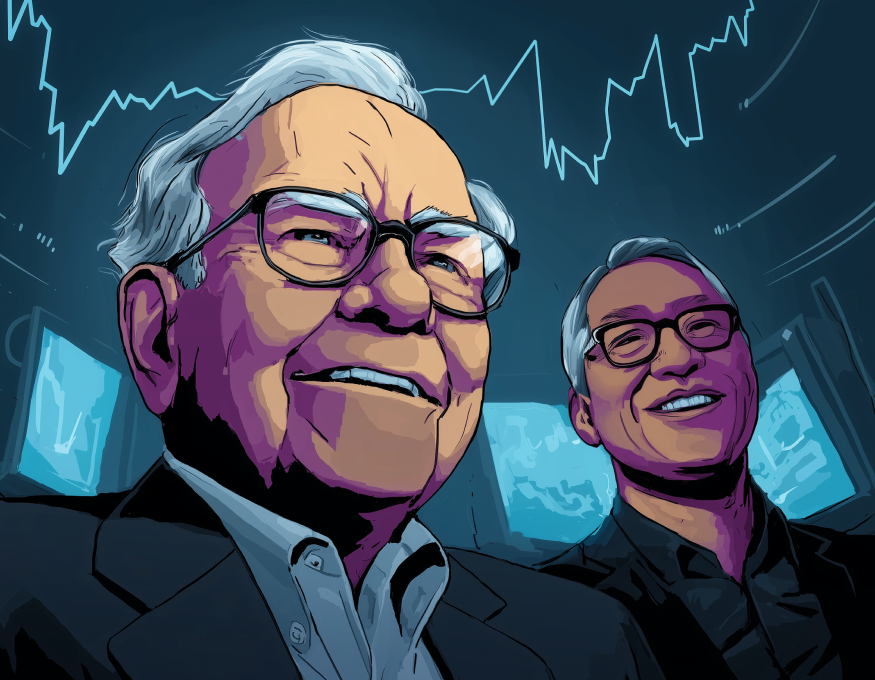
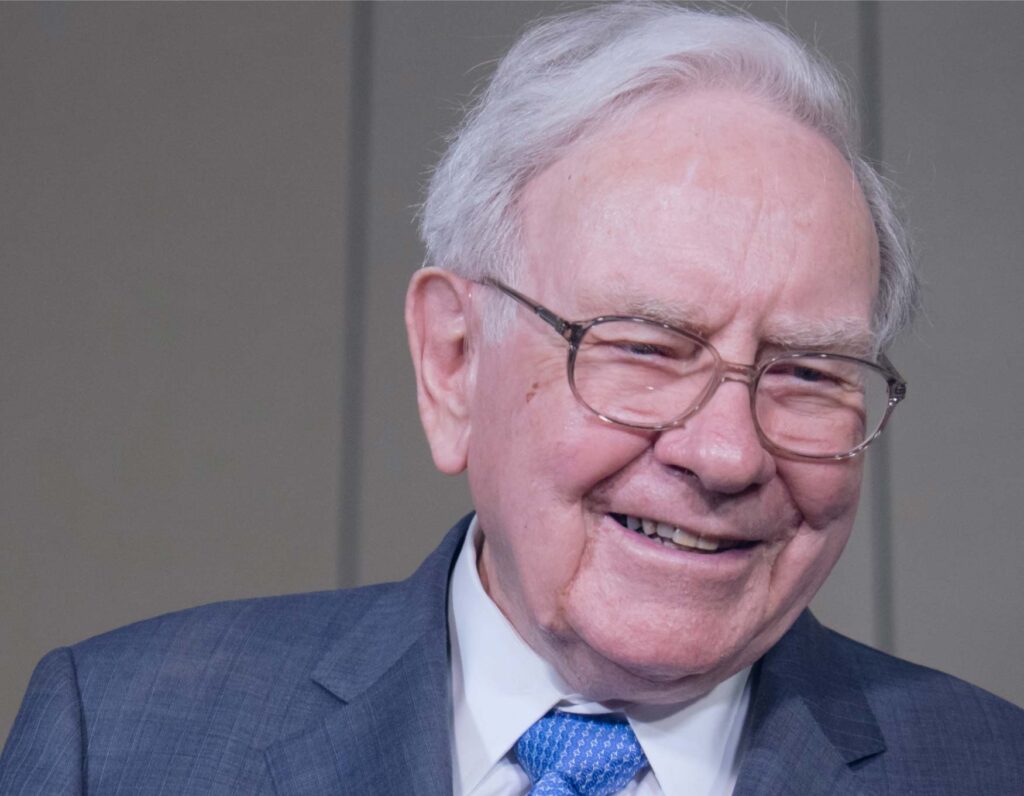
Warren Buffett just made a rare (and massive) bet on Big Tech.
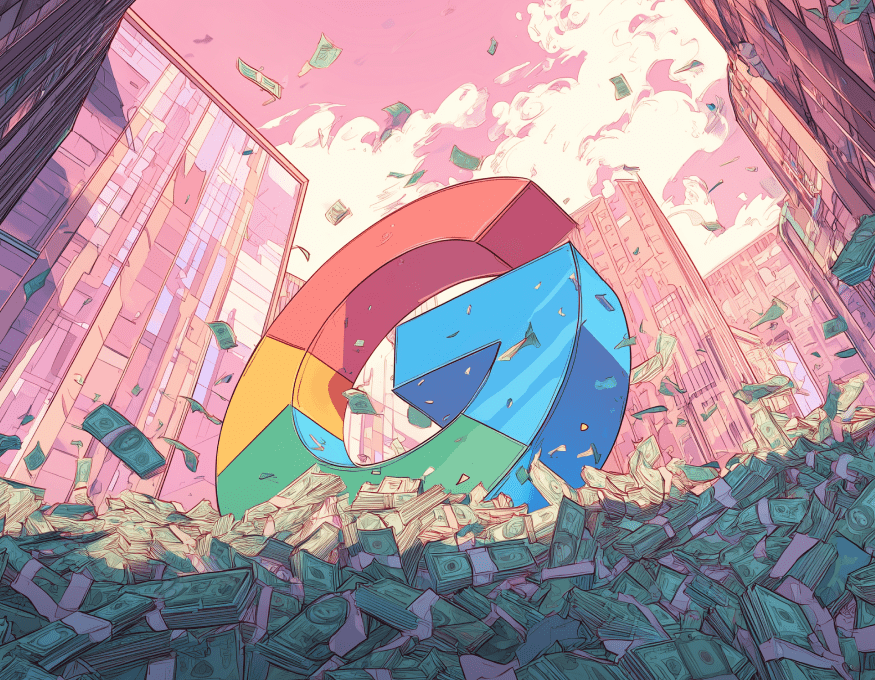
Berkshire Hathaway revealed it snapped up 17.8 million shares of Alphabet’s Class A stock in Q3, a stake worth nearly US$5 billion. Shares of the Google parent jumped more than 3% on the news, bucking the broader tech sell-off that dragged most of its peers lower.
It’s an unusual move for Berkshire, which is known for buying unloved, undervalued companies and holding them long-term. Alphabet, by contrast, is a member of the Magnificent Seven and is up 50% year-to-date, hardly a value play.
📈 Why Alphabet caught Buffett’s eye
Alphabet isn’t the only Mag 7 stock in Berkshire’s portfolio. Apple remains its largest holding at around US$65 billion, though Buffett has been trimming that position for two years and sold another 15% last quarter.
So why pile into Alphabet now? Analysts are bullish. JPMorgan raised its price target by 13% after Alphabet’s “strong across the board” Q3 results, noting the company is showing “signs that AI search is more opportunity than threat,” contrary to earlier Wall Street fears that AI chatbots would cannibalise Google’s core search business.
Wedbush went further, saying the quarter “validates Alphabet’s position as a leading AI beneficiary.”
💸 AI spending ramps up
Alphabet also lifted its full-year capital expenditure guidance to over US$90 billion, with most of that going toward building data centres and buying chips to train AI models. That’s raised eyebrows among some investors who are questioning when (or if) Big Tech’s AI spending will pay off.
But Wall Street isn’t fazed. Of 14 analysts tracked by Visible Alpha, 11 rate Alphabet a “buy,” with an average price target of US$324, roughly 14% above where the stock closed this week.
The spending surge reflects the arms race underway across Big Tech, with companies racing to secure compute capacity and lock in AI infrastructure before rivals do. For Alphabet, the bet is that its dominance in search, combined with early leads in AI models like Gemini, will protect its advertising moat while opening new revenue streams.
🎯 A contrarian play
What makes Berkshire’s move particularly interesting is the timing. While Buffett has been net selling stocks for eight consecutive quarters (including trimming Apple and Bank of America), he’s now wading back into tech at a moment when valuations have spooked many investors.
The purchase suggests Buffett sees Alphabet as mispriced relative to its long-term earnings power. Unlike speculative AI plays, Alphabet generates over US$300 billion in annual revenue with massive free cash flow, making it one of the few Mag 7 stocks that fits Berkshire’s value investing playbook.
For Berkshire, it’s a bet that Alphabet’s dominance in search, cloud and AI infrastructure will keep compounding for years to come, even as the market obsesses over short-term spending concerns.
🔦 Some other things we’re shining the Spotlight on:
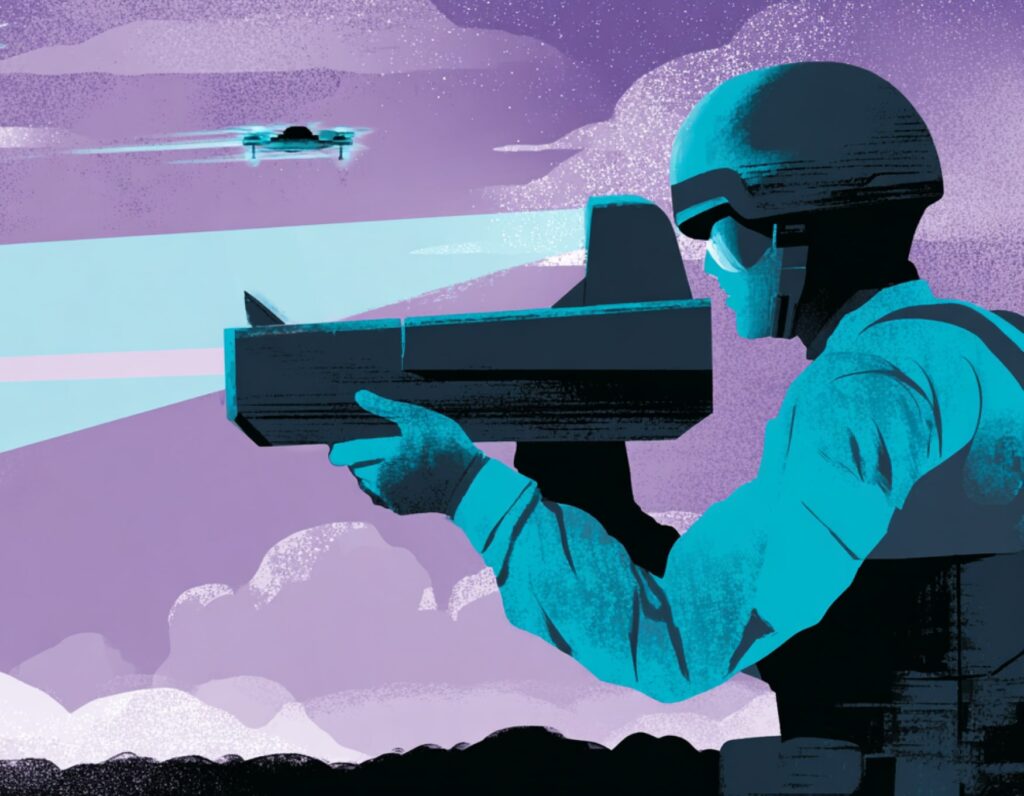
DRONESHIELD’S TECH UNDER FIRE: DroneShield (ASX: DRO) shares tumbled another 19% to A$1.97 after its US division CEO Matt McCrann resigned unexpectedly. The departure comes amid questions about the effectiveness of its hero “Dronegun” product on the battlefield, with military insiders reporting Ukrainian and Russian forces are reverting to shotguns after Russia developed fibre-optic-controlled drones that can’t be jammed. The counter-drone firm’s stock has plunged 30% since CEO Oleg Vornik and two directors sold A$70 million in shares earlier this month.
HELLOWORLD SWOOPS ON WEBJET: Helloworld Travel (ASX: HLO) has lobbed a 90 cents per share takeover offer for Webjet (ASX: WJL), valuing the online travel giant at a 19.2% premium to Tuesday’s close. Webjet’s board agreed to due diligence but warned there’s no guarantee a deal will happen. On the same day, Webjet announced its first-ever dividend (2 cents per share, fully franked) despite a “challenging” first half that saw bookings fall 8%.
Keep up to date on the markets by following us on Instagram @superheroau.

Become a part of
our investor community
Why you should join us:
- Join free and invest with no monthly account fees.
- Fund your account in real time with PayID.
- Get investing with brokerage from $2. Other fees may apply for U.S. shares.
Read our latest articles
Make knowledge your superpower and up your skills and know-how with our news, educational tools and resources.