

October 17, 2025
Mining our own business
Hey Superheroes, Gold is glistening, silver is spiking and investors are queueing outside bullion dealers as safe-haven demand surges. This week, gold soared past US$4,300/oz and silver hit fresh all-time highs, driven by renewed tensions between the U.S. and China. Last Friday, Trump reignited fears of a trade war, threatening 100% tariffs on Chinese goods…


Scan this article:
Hey Superheroes,
Gold is glistening, silver is spiking and investors are queueing outside bullion dealers as safe-haven demand surges.
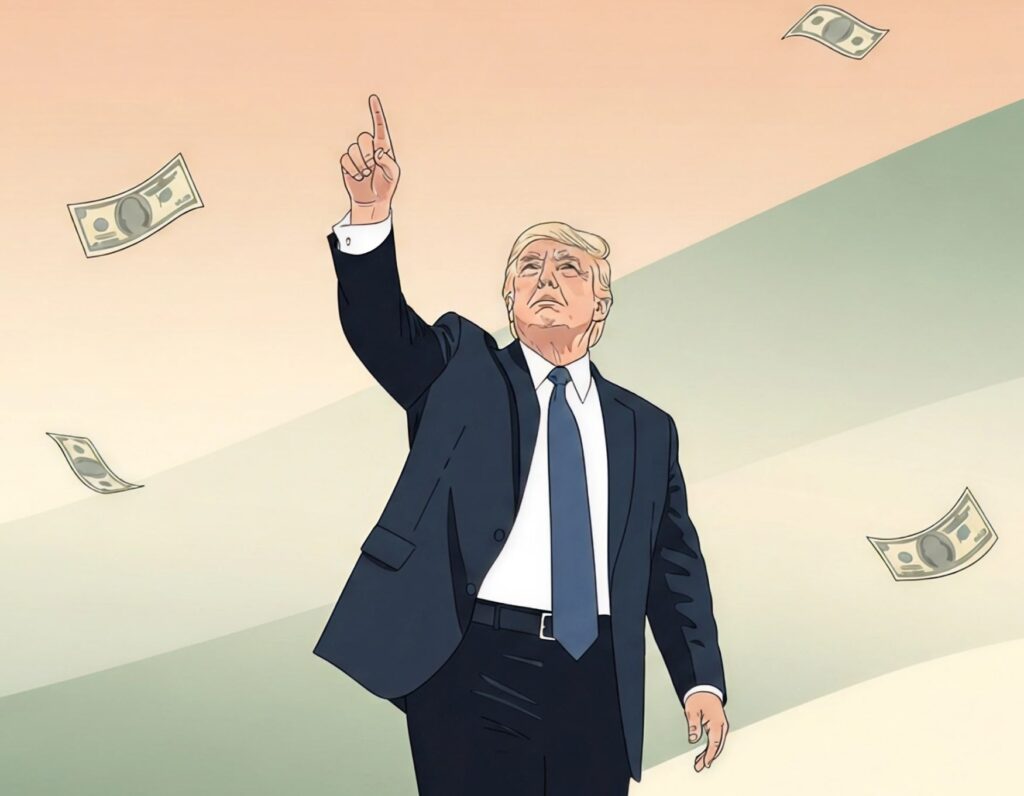
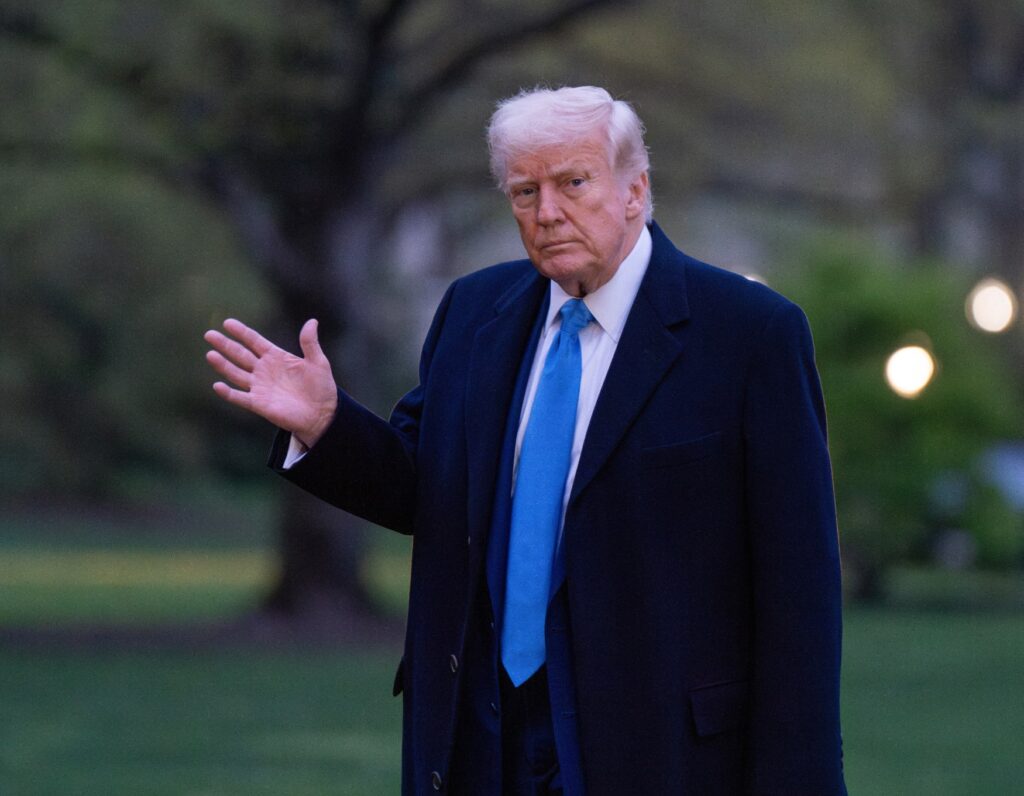
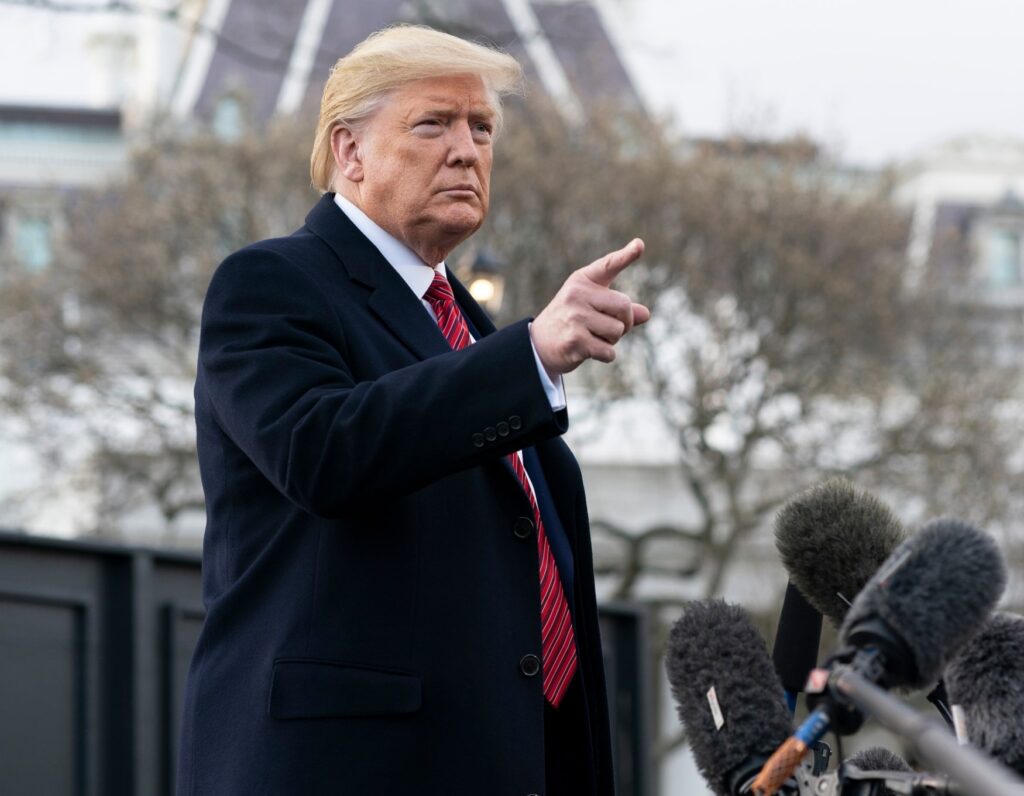
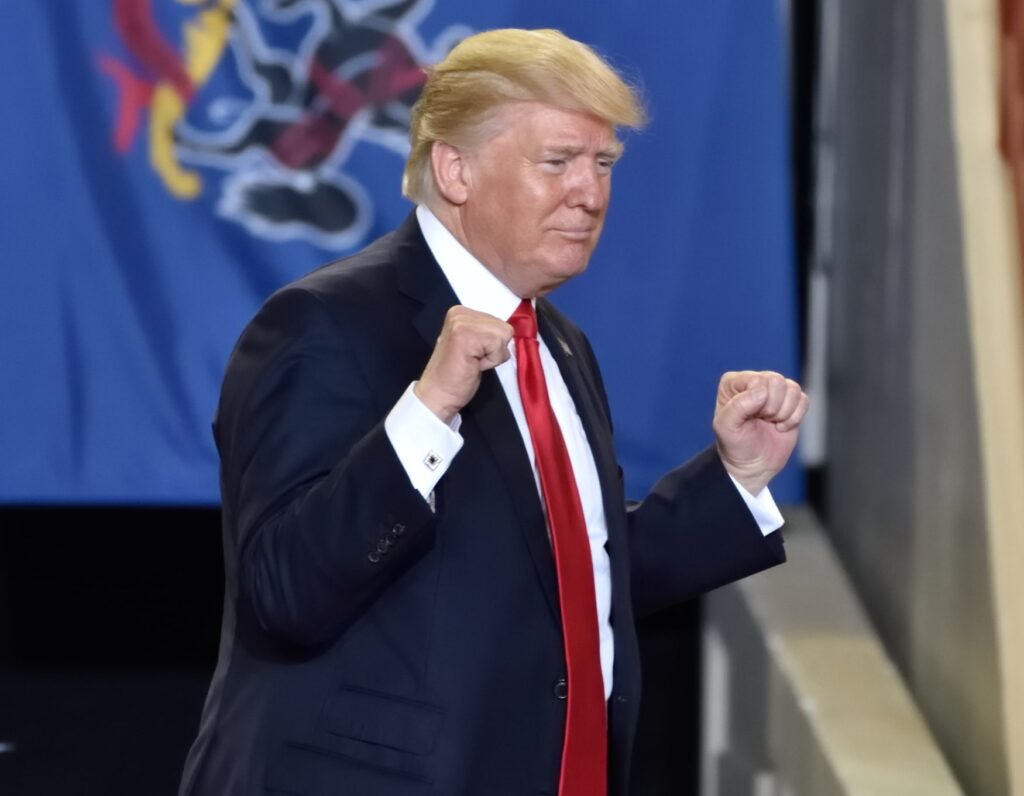
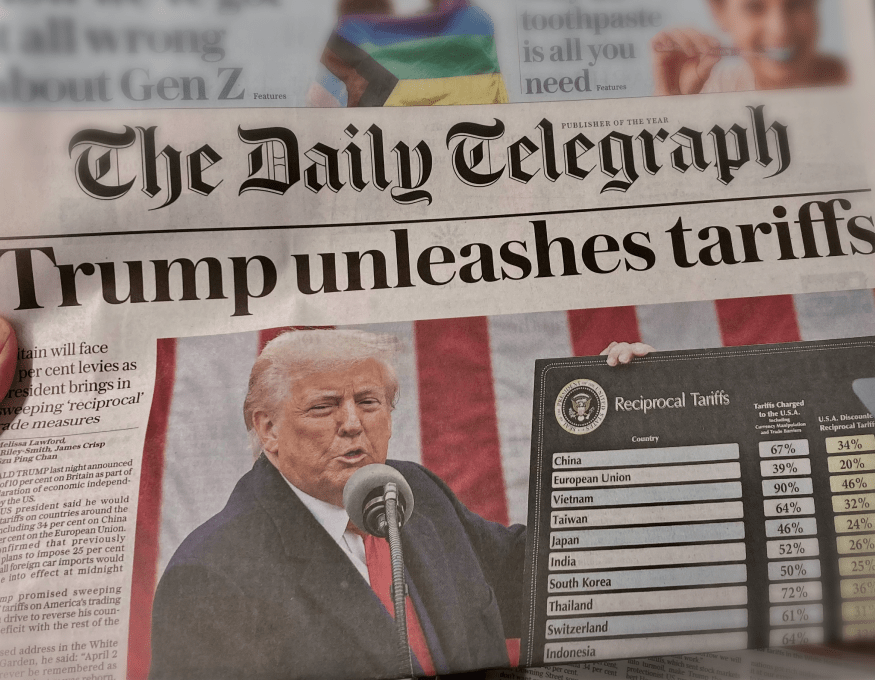
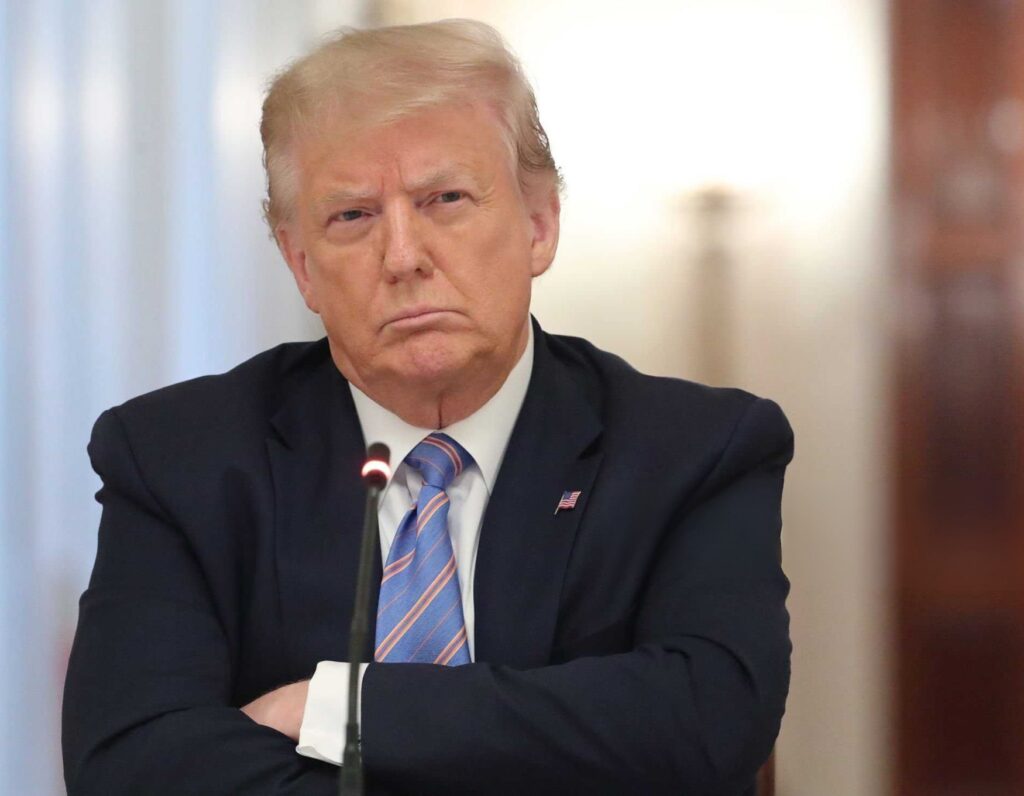
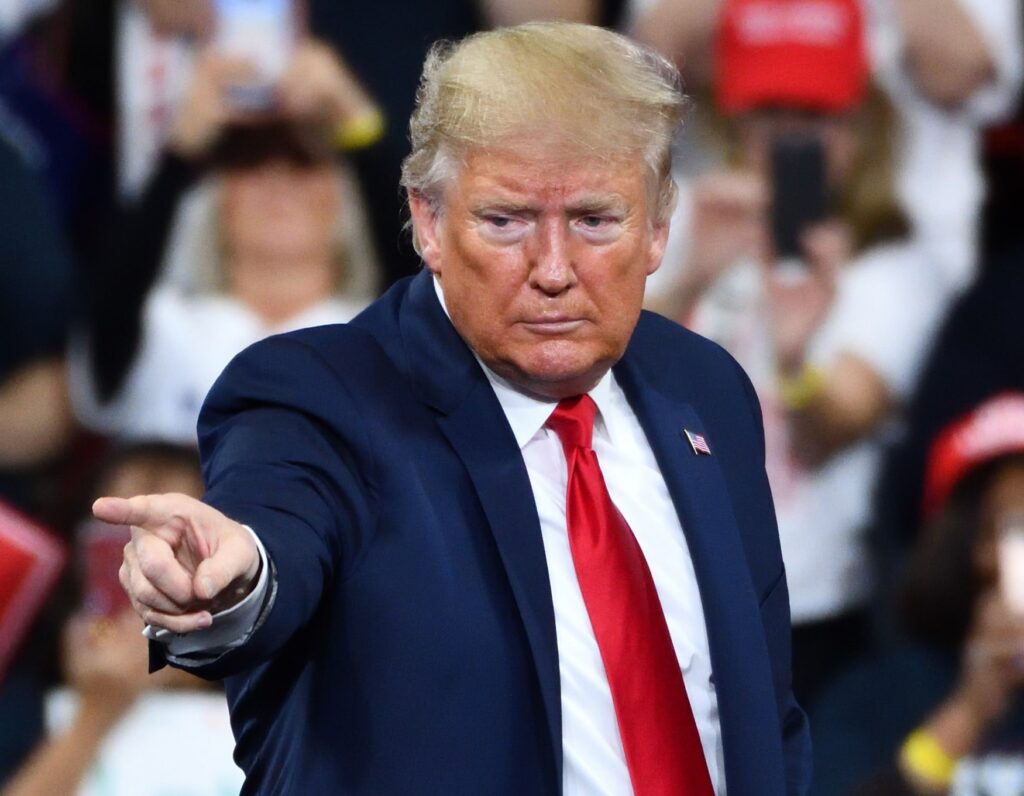
This week, gold soared past US$4,300/oz and silver hit fresh all-time highs, driven by renewed tensions between the U.S. and China. Last Friday, Trump reignited fears of a trade war, threatening 100% tariffs on Chinese goods – by midweek both sides were lobbing fresh levies back and forth.
Here’s a deeper dive into what’s unfolding and why Australia could play a pivotal role in what comes next.
China’s export curbs shake global supply chains
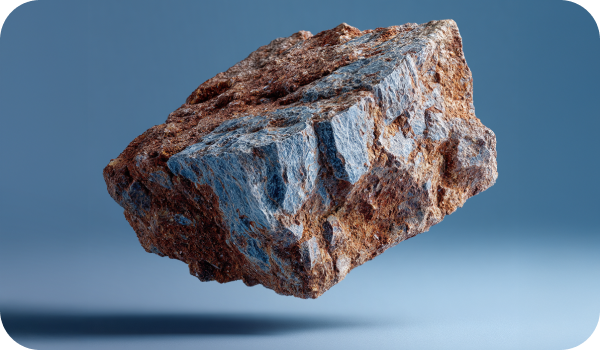
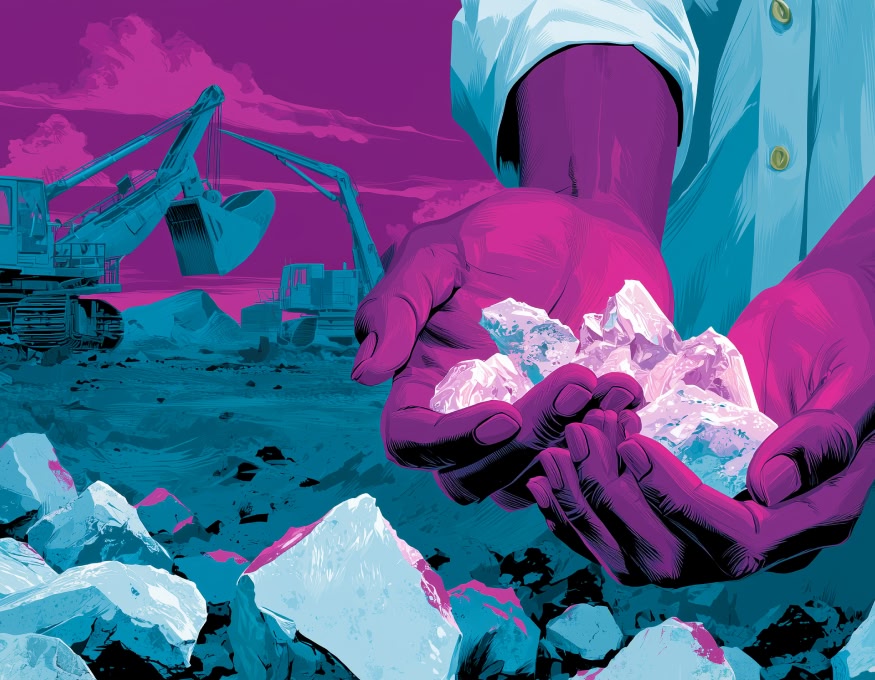
China stunned global markets last week with sweeping new restrictions on rare earth exports. Under new rules, any product containing even trace amounts of rare earths now requires Beijing’s approval to be exported – a move experts say targets vulnerabilities in U.S. and allied supply chains.
Trump fired back: 100% tariffs on all Chinese goods, effective November 1.
This isn’t just political theatre, it’s a strategic squeeze. China controls 70% of rare earth mining and over 90% of global processing. These aren’t commodities you can simply buy elsewhere. They’re linchpins for defence, clean tech and AI tech.
🧲 Why do rare earths matter?
Rare earths are essential for technologies ranging from fighter jets to smartphones and EV motors. China controls around 70% of global rare earth supply and over 90% of processing, giving it powerful leverage in any trade dispute.
One example: the F-35 fighter jet – a cornerstone of U.S. defence – requires over 400kg of rare earths for key components like stealth coatings and radars.
While countries like the U.S. and Australia have been racing to build alternative supply chains, experts warn it could take five or more years to match China’s scale and processing capability.
🇦🇺 Australia Steps In
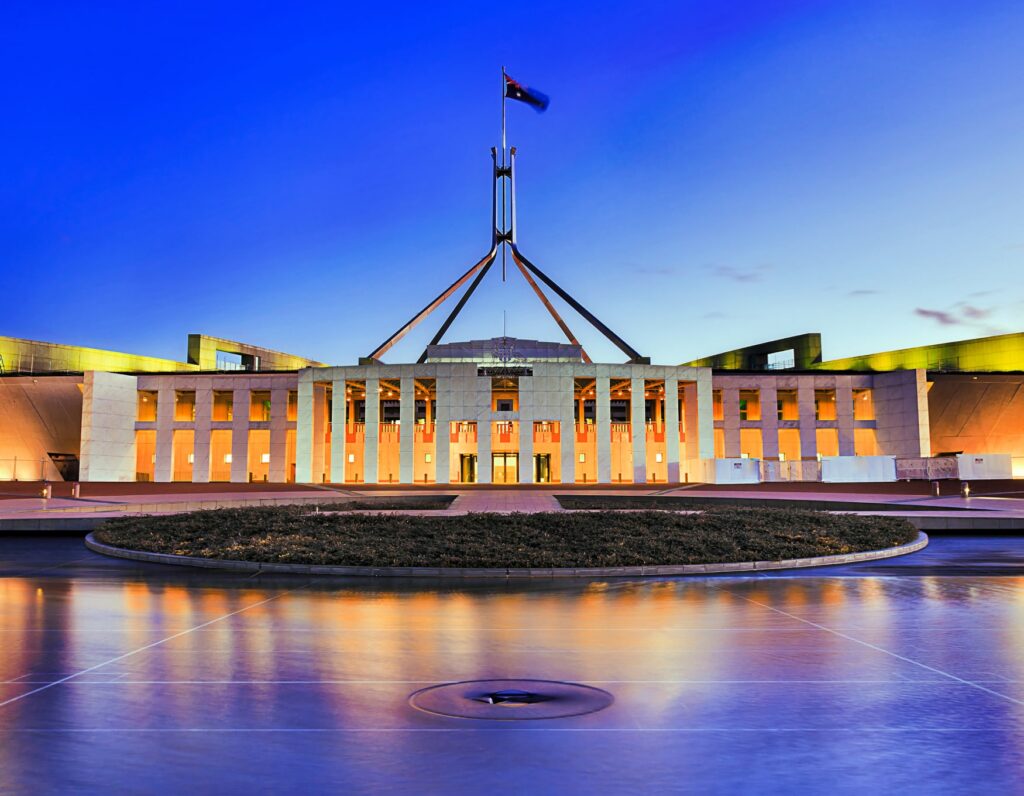
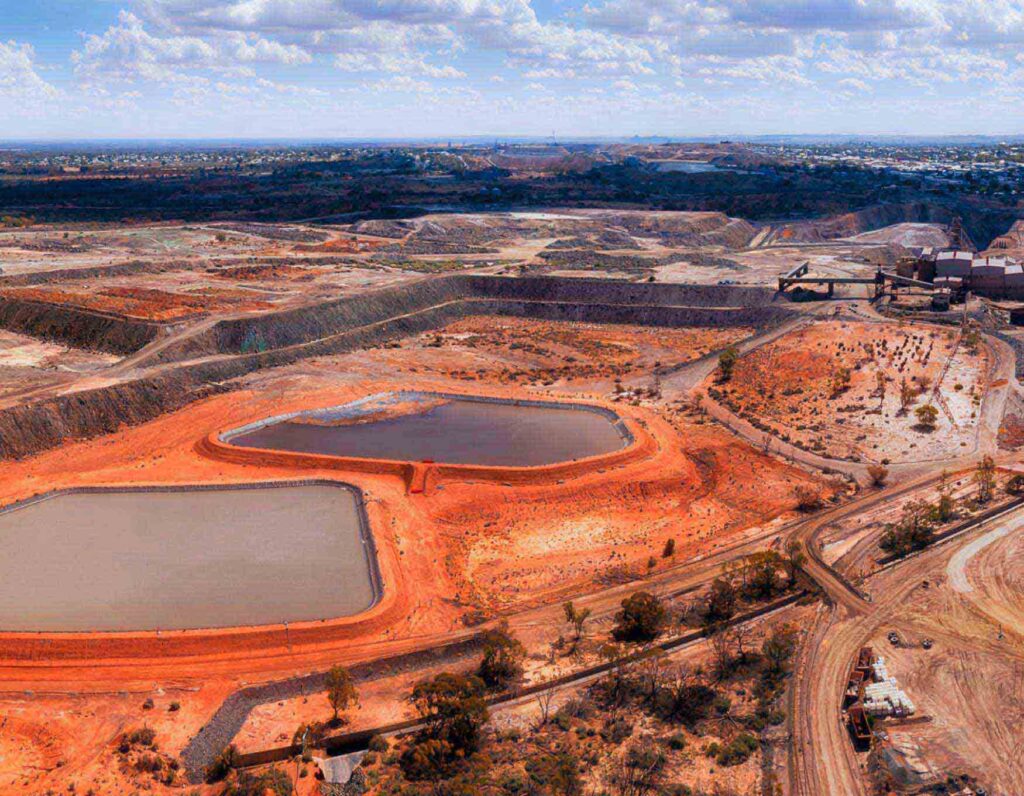
Amid the chaos, Australia is pitching itself as a stable alternative. Prime Minister Anthony Albanese is preparing to meet Trump on October 20, hoping to gain U.S. support for a new $1.2 billion critical minerals reserve, designed to de-risk global supply chains.
Trade Minister Don Farrell has already laid the groundwork, offering a “geopolitically safe” source of rare earths. Australia has world-class deposits – but still lags in refining infrastructure.
Investors, however, aren’t waiting for the paperwork.
ASX-listed rare earth stocks have surged in recent weeks, mirroring the global scramble to diversify away from Chinese supply. Since January, Lynas Rare Earths is up 227%, Arafura Rare Earths has gained 267%, Australian Strategic Materials is up 272% and Australian Rare Earths has soared 265%.
🔮 What Happens Next?
With Trump’s tariffs set to kick in November 1, all eyes are on the Oval Office. If Australia can position itself as a credible long-term supplier, it could turn a global crunch into a strategic win.
For now, investors should expect volatility across sectors exposed to defence, EVs and semiconductors.
Chips Keep Falling TSMC’s Way
TSMC just lifted its full-year revenue forecast and it’s all thanks to AI.
Taiwan Semiconductor Manufacturing Co. (TSMC), the world’s largest contract chipmaker, reported record earnings this week and raised its 2025 revenue growth forecast to “mid-30%” in USD terms – up from earlier guidance of ~30%.
🔼 AI Boosts the Bottom Line
TSMC’s net income for Q3 FY25 came in at NT$452.3 billion (US$14.5 billion), up 39% year-on-year and exceeding expectations. Revenue for the quarter reached US$33.1 billion, a 10% jump from Q2.
Gross margins hit a strong 59.5%, a sign TSMC continues to lead at the bleeding edge of chipmaking.
📈 What’s Driving Growth?
The chipmaker’s bullish outlook reflects one dominant trend: AI infrastructure. TSMC has seen a surge in orders from hyperscalers and major tech players scrambling to secure computing power. Demand signals are now flowing not just from customers but from their customers too.
Its largest clients – like NVIDIA, AMD, Apple and even OpenAI – are ramping up hardware orders to power next-gen AI systems, from datacentres to AI PCs.
💰 Capex Stays High
To keep up with demand, TSMC is maintaining its full-year capex forecast of up to US$42 billion (A$64.6 billion), investing in new fabs and advanced packaging capacity.
Looking ahead, the company expects Q4 revenue between US$32.2 billion and US$33.4 billion, with operating margins of 49–51% – slightly narrower, but still healthy.
🔦 Some other things we’re shining the Spotlight on:
MACQUARIE’S MEGA-EXIT: Macquarie has just sold its stake in U.S.-based Aligned Data Centers in a US$40 billion (A$61 billion) deal, the fourth-largest M&A transaction globally this year. The divestment could deliver as much as A$2 billion in performance fees over time and has analysts calling it “perfectly timed” amid valuations in the AI infrastructure space.
PARTNERS IN CR(AI)ME: Oracle and AMD are teaming up on a major AI chip rollout. Oracle will deploy 50,000 of AMD’s new MI450 GPUs across its data centres starting late 2026 – AMD’s biggest win yet in the AI infrastructure arms race. The move signals growing interest in Nvidia alternatives as AI demand keeps climbing.
OPENAI’S POWER PLAY: OpenAI has inked a deal with Broadcom to co-develop custom chips and 10GW worth of AI data centre capacity. The rollout starts in 2026 and runs through to 2029. Broadcom shares jumped 12% on the news, reflecting investor excitement over the expanding AI hardware ecosystem.
Keep up to date on the markets by following us on Instagram @superheroau.

Become a part of
our investor community
Why you should join us:
- Join free and invest with no monthly account fees.
- Fund your account in real time with PayID.
- Get investing with brokerage from $2. Other fees may apply for U.S. shares.
Read our latest articles
Make knowledge your superpower and up your skills and know-how with our news, educational tools and resources.