

March 6, 2026
Apple Cuts the Price Tag
Hey Superheroes, It’s been a bruising week for markets, with the Middle East conflict and its impact on energy markets front and centre. The S&P/ASX 200 dropped 3% this week as worries about the inflationary fallout from the Iran conflict overshadowed stronger-than-expected domestic GDP data. We also saw the end of Reporting Season so the…


Scan this article:
Hey Superheroes,
It’s been a bruising week for markets, with the Middle East conflict and its impact on energy markets front and centre.
The S&P/ASX 200 dropped 3% this week as worries about the inflationary fallout from the Iran conflict overshadowed stronger-than-expected domestic GDP data.
We also saw the end of Reporting Season so the focus now shifts to dividends and those all important ex-div dates.
Let’s get into this week’s biggest news.
Apple’s New MacBook Lowers the Entry Price
Getting a Mac used to mean spending at least US$999.
Apple (NASDAQ:AAPL) just changed that.
This week the tech giant unveiled the MacBook Neo, starting at US$599 (A$899), the lowest entry price for a Mac laptop in the current lineup. The move signals a clear push toward students and first-time buyers, a group traditionally dominated by Chromebooks and entry-level Windows laptops.
📱 An iPhone chip inside
Instead of Apple’s usual M-series processors, the Neo runs on the A18 Pro chip which is the same family used in the iPhone.
That shift helps bring the price down, while still running the full macOS experience.
The laptop weighs 2.7 pounds, offers up to 16 hours of battery life, and comes in four colours: indigo, blush, citrus and silver. It goes on sale on 11 March.
🎯 Why this launch matters
The Neo also wraps up a busy week of product announcements from Apple.
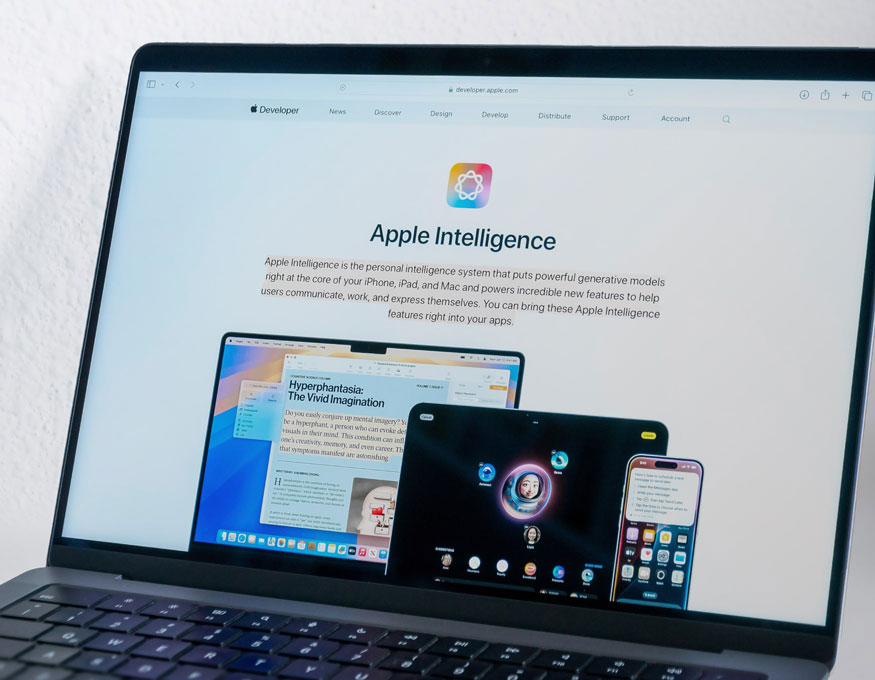
Alongside it came updates to the iPhone 17e, iPad Air and the MacBook Pro line, all part of a broader push to bring Apple Intelligence features to more affordable devices.
That matters because Mac sales have slowed. Revenue from the segment slipped about 7% in Apple’s most recent holiday quarter, missing expectations by roughly US$600 million.
The Neo looks like Apple’s play to change that, lowering the price of entry and hoping millions of iPhone users decide their first Mac is finally within reach.
Broadcom Forecasts Significant Growth in AI
If Nvidia’s huge earnings last week were the opening act, the networking chip and software giant Broadcom (NASDAQ:AVGO) just delivered the encore.
CEO Hock Tan told analysts he expects AI chip revenue in 2027 to come in “significantly above US$100 billion.” That’s well beyond even the most optimistic forecasts on Wall Street. Broadcom shares jumped nearly 5% on Friday.
💰 The numbers
Broadcom beat expectations across the board. AI revenue more than doubled, driven by strong demand for AI accelerators and networking gear.
The company is now heading towards 10 gigawatts of AI infrastructure capacity across six major customers. That scale has analysts at JPMorgan lifting their forecasts too, with some now expecting US$120 billion or more in AI revenue by 2027.
🔧 Why Broadcom’s strategy is different
Broadcom isn’t trying to beat Nvidia at its own game.
While Nvidia leads with powerful, ready-to-use GPUs, Broadcom focuses on custom silicon – chips designed for individual hyperscale customers.
Tan’s view is simple. Companies building large language models don’t want chips that are good enough. They want chips built specifically for what they’re doing.
Some investors worried that more tech giants designing their own chips could squeeze Broadcom out. Tan pushed back on that idea. His argument: Nvidia’s dominance actually makes custom chips more valuable, not less.
If anything, he believes Broadcom’s role in the ecosystem will only grow in the years ahead.
🧠 Supply secured, runway ahead
Another concern heading into the results was memory supply, a problem that’s affected much of the chip industry.
Tan said Broadcom has already locked in memory and leading-edge wafer supply through 2028. That removes a big uncertainty.
With memory supply secured through 2028 and increasing demand for AI infrastructure, Broadcom has outlined its growth strategy for the coming years.
🔦 Some other things we’re shining the Spotlight on:
CBA CALLS THE COPS: Commonwealth Bank (ASX:CBA) has referred itself to police and the corporate regulator after uncovering fears that around A$1 billion in home loans were obtained fraudulently, with some applications doctored using AI-generated documents. The fraud allegedly involved shell companies, fake income statements and overseas deposits. CBA stressed the mortgages are still being serviced and the bank isn’t currently out of pocket, but the scale raises serious questions about its lending processes and whether it could face regulatory sanctions.
PENFOLDS BETS ON THE “WHITE GRANGE”: Treasury Wine Estates (ASX:TWE) posted a A$649 million half-yearly loss, with Penfolds profits down nearly 20% as sales slumped in the U.S. and China. CEO Sam Fischer’s turnaround plan is to double down on premium white wines, particularly the flagship chardonnay Yattarna (nicknamed the “white Grange”). It’s a pivot that reflects a broader global shift in taste, with wine consumption at its lowest since 1961 and drinkers moving away from big reds toward whites and lighter styles.
18% DOWN, 10% UP: South Korea’s KOSPI plunged more than 18% over two days after U.S. and Israeli strikes on Iran sent oil prices surging, its worst stretch since 2008. Chip giants Samsung and SK Hynix, which together make up nearly 40% of the index, bore the brunt of the selloff. The market then snapped back nearly 10% the following day as oil prices stabilised and the government activated a market stabilisation fund. Wild week.
Keep up to date on the markets by following us on Instagram @superheroau.

Become a part of
our investor community
Why you should join us:
- Join free and invest with no monthly account fees.
- Fund your account in real time with PayID.
- Get investing with brokerage from $2. Other fees may apply for U.S. shares.
Read our latest articles
Make knowledge your superpower and up your skills and know-how with our news, educational tools and resources.