

May 22, 2026
And the beat goes on 🥁
Hey Superheroes, Two trillion-dollar stories landed this week — Nvidia’s record quarter and SpaceX’s long-awaited IPO prospectus — and the beat of the AI infrastructure boom keeps going. Back home, though, the story changed. Australia’s unemployment rate jumped to 4.5% in April, the highest since November 2021, with the economy losing 18,600 jobs against expectations…


Scan this article:
Hey Superheroes,
Two trillion-dollar stories landed this week — Nvidia’s record quarter and SpaceX’s long-awaited IPO prospectus — and the beat of the AI infrastructure boom keeps going.
Back home, though, the story changed. Australia’s unemployment rate jumped to 4.5% in April, the highest since November 2021, with the economy losing 18,600 jobs against expectations of a 15,000 gain. With the RBA cash rate already at 4.6% after this month’s hike, money markets are now pricing in only a 15% chance of another increase in June. CBA cut its growth forecast to 1.6% and lifted its peak unemployment call to 4.6%.
Overseas, the macro picture is just as twitchy. Oil is back above US$100 a barrel as the Iran war drags on, and US 30-year Treasury yields have pushed to levels last seen during the GFC amid sticky inflation and concerns about US fiscal sustainability.
Here’s what moved this week.
Nvidia: And the Beat Goes On
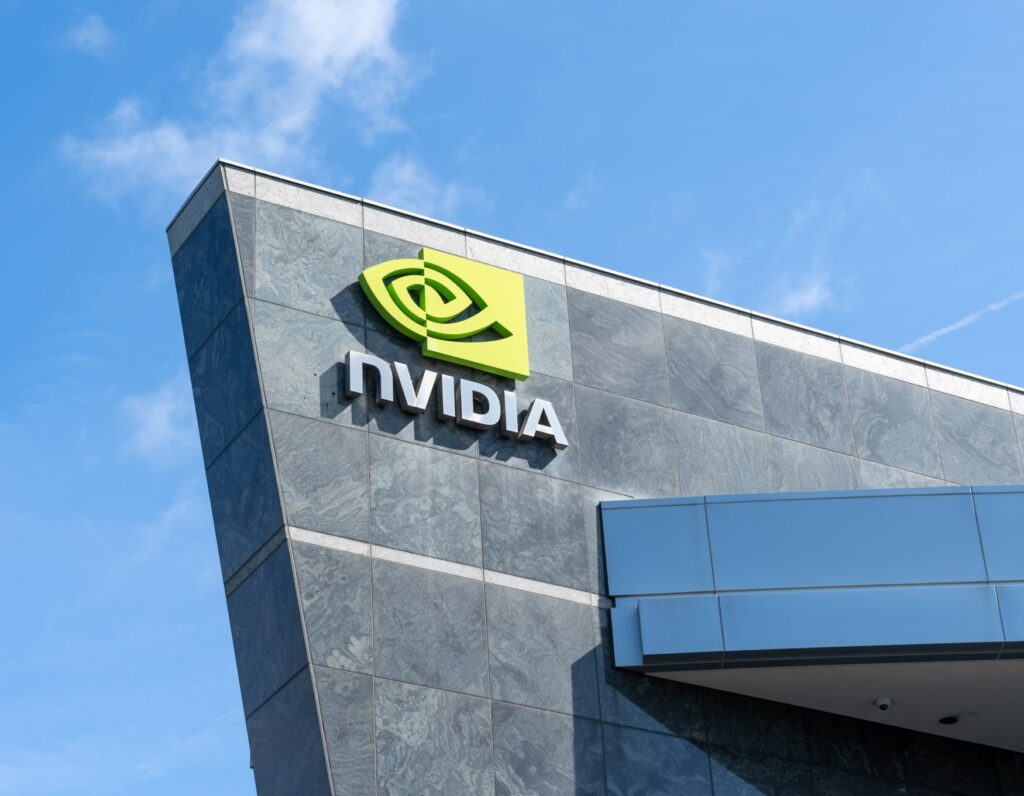
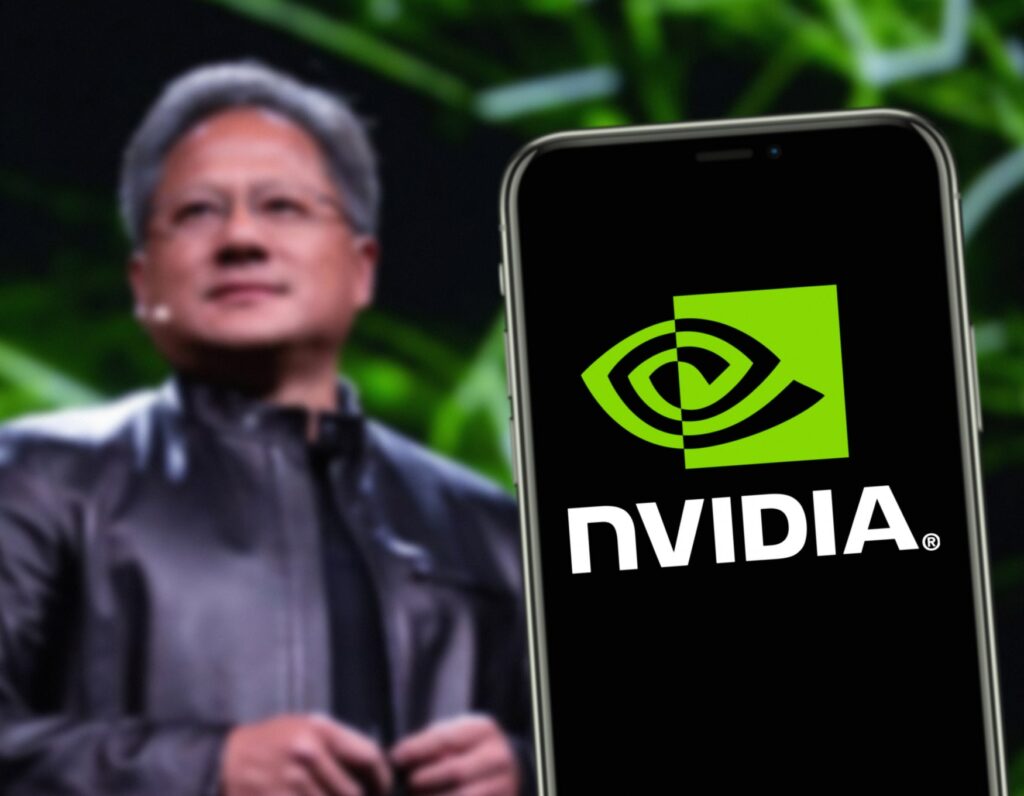
If you needed a reminder that the AI buildout is still very much in motion, Nvidia delivered it on Wednesday.
Nvidia (NASDAQ:NVDA) posted record Q1 fiscal 2027 revenue of US$81.6 billion, up 85% year-on-year and 20% sequentially. Adjusted EPS came in at US$1.87, beating the US$1.77 consensus. The stock rose 1.4% in after-hours trading to US$223.63.
📊 The numbers
Data centre revenue was the headline. It hit a record US$75.2 billion, up 92% year-on-year, driven by the ramp of Blackwell 300 products and Nvidia’s networking solutions (InfiniBand, Spectrum-X, NVLink). Hyperscaler revenue was around 50% of the data centre business, with the other half spread across AI clouds, sovereign customers and enterprise.
Gross margins held at 74.9%. Free cash flow was a record US$49 billion. Operating expenses grew 52% year-on-year as Nvidia ramps engineering headcount.
💸 Buybacks and a bigger dividend
Alongside the result, Nvidia announced an additional US$80 billion share repurchase authorisation and lifted its quarterly cash dividend 25-fold, from US$0.01 to US$0.25 per share. With cash piling up faster than the company can deploy it, returning more to shareholders is now part of the playbook.
🔮 What Jensen is watching
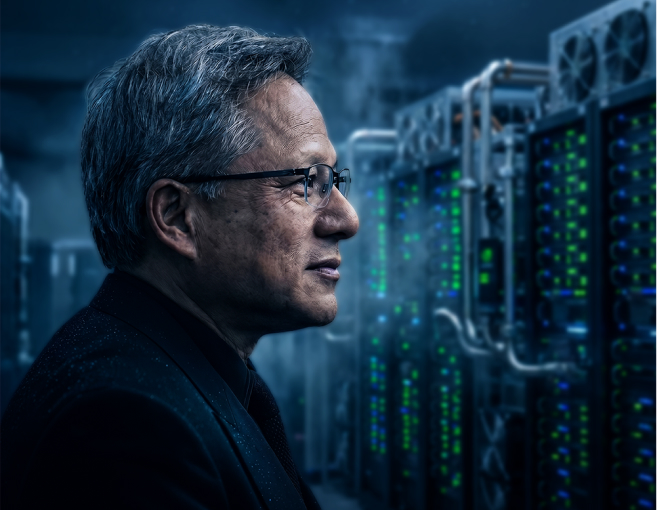
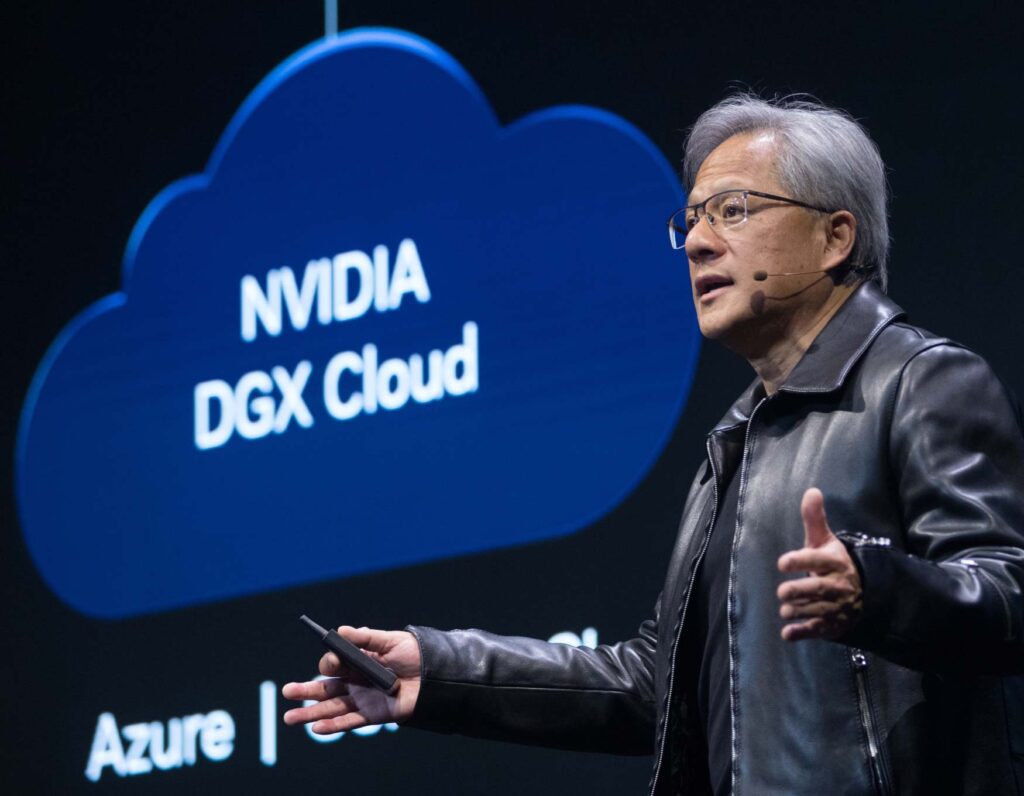
CEO Jensen Huang called the buildout of AI factories “the largest infrastructure expansion in human history.” He flagged the new Vera Rubin platform — including a Vera CPU built specifically for agentic AI — and an expanded Google Cloud partnership that will power Gemini on Vera Rubin, Blackwell and Blackwell Ultra systems.
Notably, no Hopper products shipped to China during the quarter — versus US$4.6 billion a year ago. Geopolitical risk remains a key talking point over an otherwise strong operational story.
Stifel lifted its price target to US$282, with most of the sell-side following suit. The AI capex cycle that began in 2023 is now in its fourth quarter of acceleration, not deceleration.
SpaceX: The Prospectus Lands
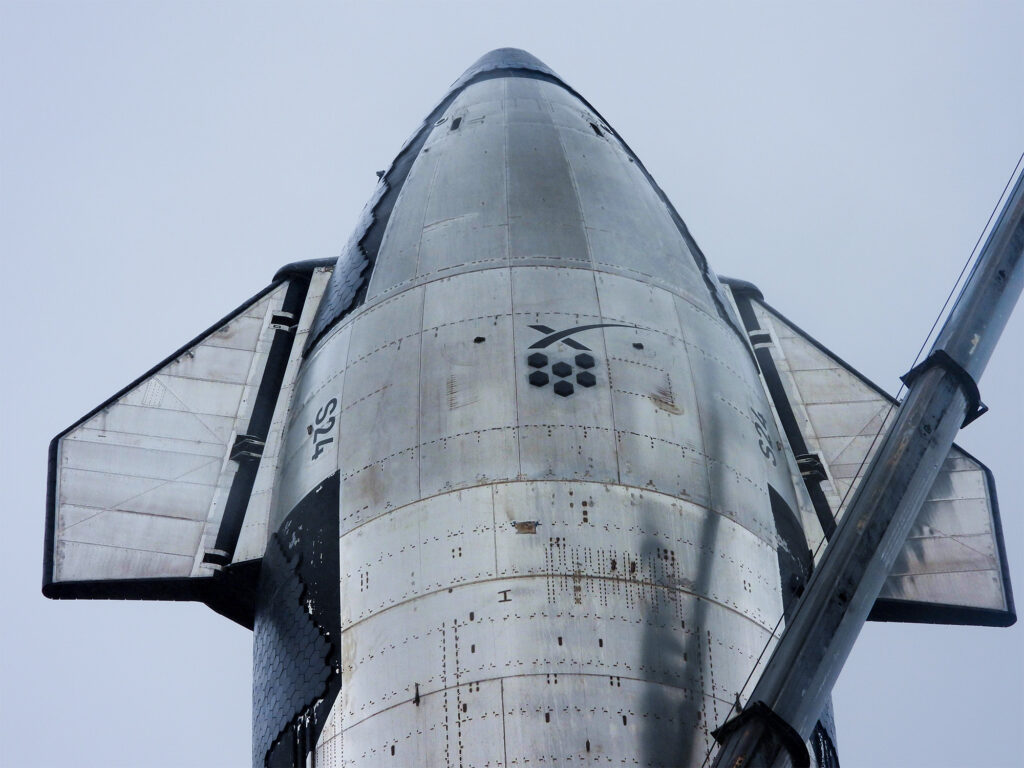
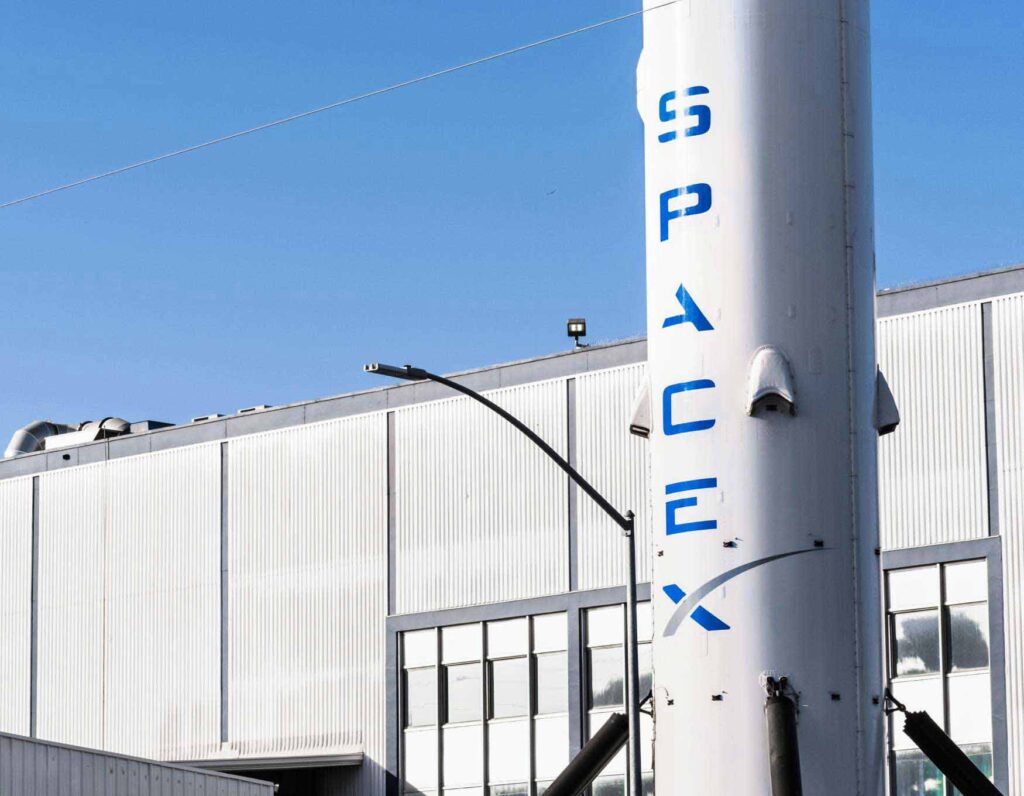
Three years of speculation became a 600-page document on Wednesday. SpaceX filed its S-1 with the SEC, opening the books on what is set to be one of the largest IPOs in history.
🚀 The headline
SpaceX plans to list on the Nasdaq under ticker SPCX, targeting a valuation of around US$1.75 trillion and a raise of up to US$75 billion. Investor roadshows kick off on 8 June. Once trading, SpaceX would qualify for Nasdaq’s fast-entry rule, automatically joining the Nasdaq-100 after just 15 trading days.
Up to 30% of shares are earmarked for retail investors. No major IPO in history has courted retail this aggressively. — and Aussie investors are on the invite list.
📊 The financials
This is where things get interesting. SpaceX generated US$18.7 billion in revenue in 2025, up 33%, but lost US$4.9 billion. Q1 2026 looks worse: US$4.7 billion in revenue against a net loss of US$4.3 billion.
The losses concentrate in one place. The AI segment, formed by absorbing Musk’s xAI earlier this year, lost more than US$6 billion in 2025 and burned US$7.7 billion in capex in Q1 2026 alone. Starlink, by contrast, generated US$1.2 billion in operating profit last quarter and now sits at 10.3 million subscribers across 164 countries.
In other words: Starlink is the cash machine. Launches break even and AI represents the bulk of the ongoing spend. Market analysts are actively debating whether this $1.75 trillion target valuation is justified, depending heavily on the long-term commercial trajectory of xAI.Media speculation also continues to swirl around potential listing timelines for other AI heavyweights like OpenAI.
🗳️ The governance question
Musk will retain 85.1% of combined voting power through a dual-class share structure. He’ll serve simultaneously as CEO, CTO and chairman, with Class B shares carrying 10 votes each. The prospectus itself flags the xAI merger accounting as a likely SEC scrutiny point, and notes a co-founder departure as a material risk factor.
For retail investors, this is the SpaceX bet in a sentence: you’re buying a real Starlink business plus a long-dated option on Starship, satellite-to-mobile, orbital data centres and xAI — at a price that prices most of it in already.
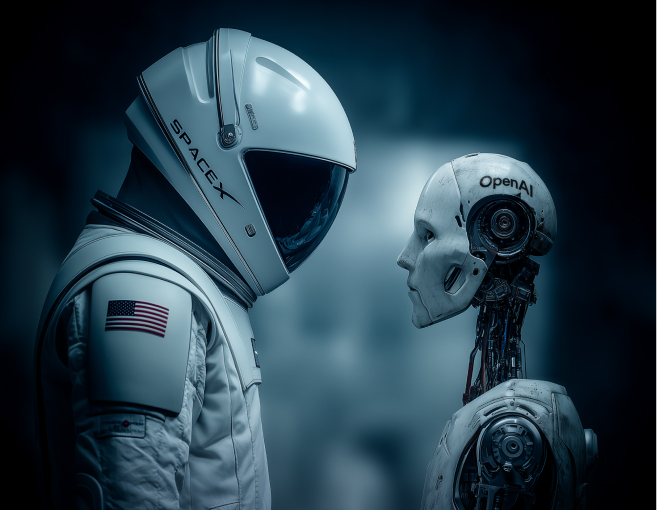
OpenAI may not be far behind in listing.
🔦 Some other things we’re shining the Spotlight on:
SKINKANDY POPS ON ASX DEBUT: Body piercing retailer SkinKandy (ASX:SK1) rose 5% on its ASX debut on Thursday after pricing its $160 million IPO at $2.20 a share, valuing the company at $245.7 million. The 100-store chain is targeting expansion into the US, UK and South Africa within 18 months, with a stated ambition of growing to 500 outlets globally.
SINGAPORE STING — TUAS SINKS 62%: Tuas (ASX:TUA) crashed 62% on Monday — its worst single-day fall on record — after Singapore’s telco regulator suspended its review of Tuas’s S$1.43 billion acquisition of M1, citing allegations that subsidiary Simba had used unauthorised radio spectrum. The deal has now been cancelled.
COME FLY WITH ME? — WEBJET HITS RECORD LOW: Webjet (ASX:WJL) shares fell 15% to a record low of 49 cents on Wednesday after FY26 underlying EBITDA fell 20% to $28.1 million. The online travel agent flagged Middle East war disruption, cost-of-living pressures and elevated airfares, with bookings already down 12% in the first weeks of FY27.
US markets are closed on Monday for Memorial Day. Australian markets remain open. Keep up to date on the markets by following us on Instagram @superheroau.

Become a part of
our investor community
Why you should join us:
- Join free and invest with no monthly account fees.
- Fund your account in real time with PayID.
- Get investing with brokerage from $2. Other fees may apply for U.S. shares.
Read our latest articles
Make knowledge your superpower and up your skills and know-how with our news, educational tools and resources.