

June 5, 2026
Anthropic joins the queue 🤖
Hey Superheroes, The AI infrastructure capital cycle hit a new gear this week. Anthropic filed for IPO. Google announced its largest equity raise ever. And the wider story of who is paying for the AI buildout, and how much it costs, got significantly more concrete. Back home, the macro conditions are less rosy. Australian GDP…


Scan this article:
Hey Superheroes,
The AI infrastructure capital cycle hit a new gear this week. Anthropic filed for IPO. Google announced its largest equity raise ever. And the wider story of who is paying for the AI buildout, and how much it costs, got significantly more concrete.
Back home, the macro conditions are less rosy. Australian GDP grew just 0.3% in Q1 — well below the 0.5% consensus — with annual growth slowing to 2.5%. The drag came from a surge in imports (data centre equipment and fuel, no less) and weaker household and government spending. The RBA has already raised the cash rate three times this year and its published forecasts point to growth slowing to 1.3% by year-end.
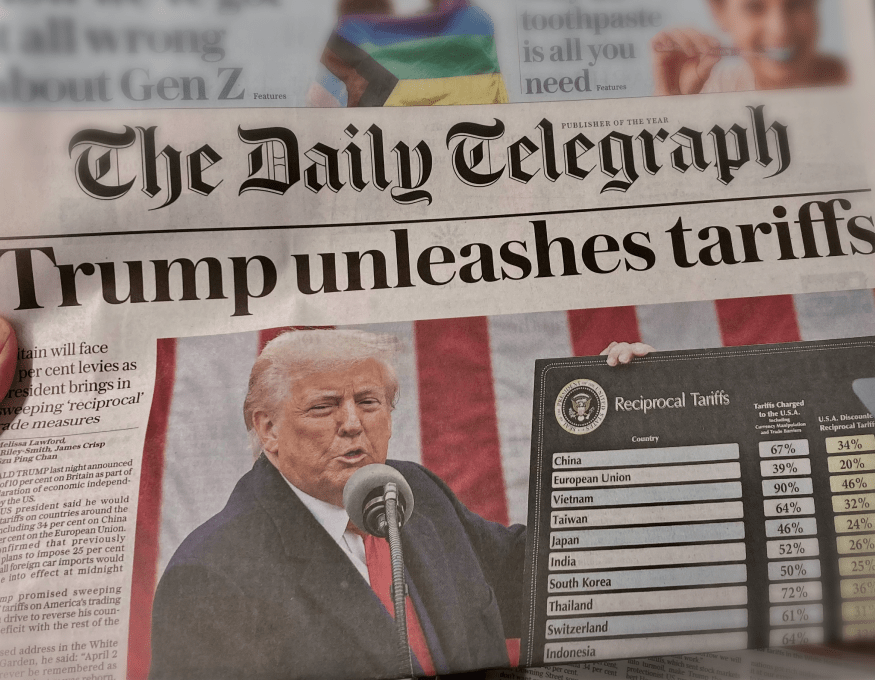
Overseas, Donald Trump unveiled tariffs 3.0. Sixteen countries including the UK, Canada, Mexico, the EU and Taiwan face an additional 10% levy. Another 44 — China, Japan, South Korea, India and Switzerland among them — face 12.5%. The forced-labour framing is partly designed to skirt the Supreme Court limits that struck down his earlier IEEPA tariffs. Australia is on the broader 60-country investigation list, though not in the immediate hit pile.
Apple (NASDAQ: AAPL), meanwhile, notched a fresh all-time high of US$315 on Tuesday, pushing its market cap to US$4.63 trillion as investors look ahead to WWDC on 8 June and the much-rumoured iOS 27 AI overhaul.
Here’s what else moved this week.
Anthropic Joins the Queue
If you’ve been tracking the AI IPO race, this week’s news will not have surprised you. The timing, however, raised eyebrows.
Anthropic — the maker of Claude — confidentially filed a draft S-1 with the SEC on Monday, just four days after closing a $65 billion Series H that valued the company at $965 billion post-money. That places Anthropic ahead of OpenAI (at US$852 billion) as the world’s most valuable AI startup.
📊 The numbers behind the filing
Anthropic disclosed that its annualised revenue run-rate crossed US$47 billion in May, up from roughly US$10 billion a year ago. The Wall Street Journal reports the company is targeting break-even by 2028, two years ahead of OpenAI’s 2030 profitability target.
That growth curve is what gives bankers confidence to anchor a debut valuation above US$1 trillion. Multiple outlets are now pointing to an October 2026 listing window, though confidential filings don’t lock in a date.
🤖 The trillion-dollar trio
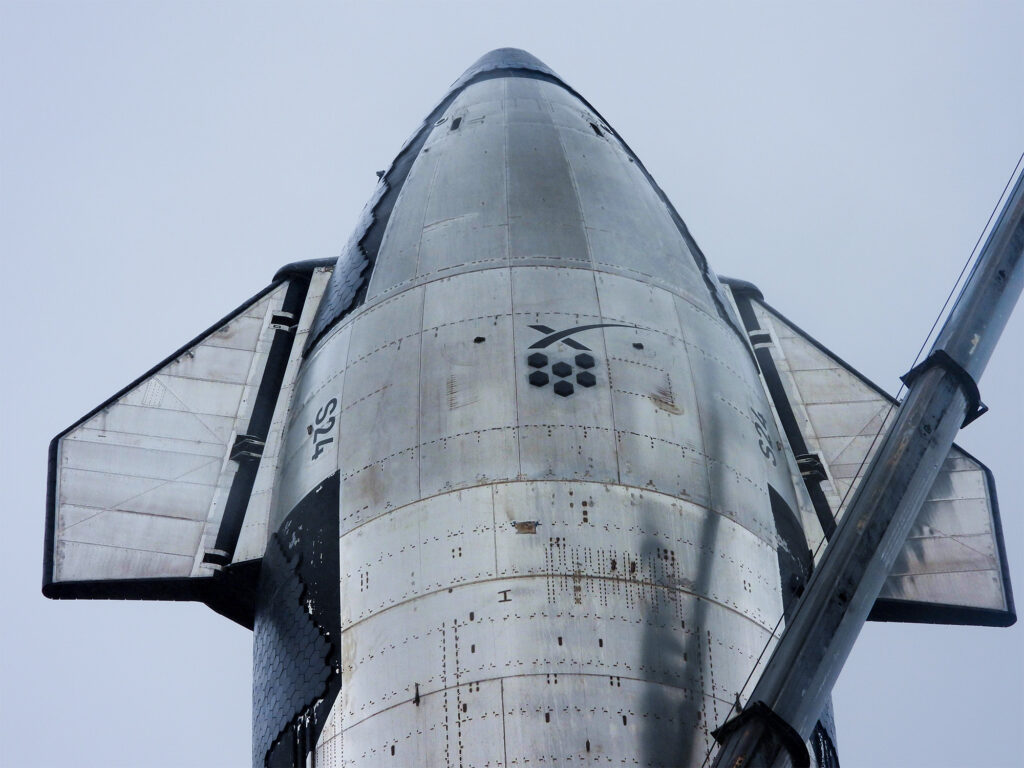
Anthropic now joins SpaceX (filed late April, targeting roughly US$1.75 trillion) and OpenAI (filed confidentially around 22 May, eyeing a September window) in what’s shaping up as the largest IPO wave in Wall Street history. Goldman Sachs projects 2026 US IPO proceeds could hit US$160 billion, quadrupling 2025 levels.
For the market, three pure-play AI companies are slated to transition to the public markets in the space of six months. The investability question — and how institutional investors balance these upcoming listings against broader tech valuations — will keep portfolio managers up at night between now and October.
🔮 What to watch
Anthropic doesn’t have to publish its financials until 15 days before the roadshow begins. That gives the SEC several months of private review. CFO Krishna Rao said the funding will help Anthropic “serve the historic demand we are experiencing, stay at the research frontier, and bring Claude to more of the places where work happens.”
The same week, Anthropic also rolled out Claude Opus 4.8 and opened its sixth European office in Milan, continuing to expand its operations ahead of a potential IPO.
Google’s $84 Billion Bet
On the same day Anthropic filed, Alphabet did something arguably more remarkable. It tapped public markets for the biggest equity raise in tech history.
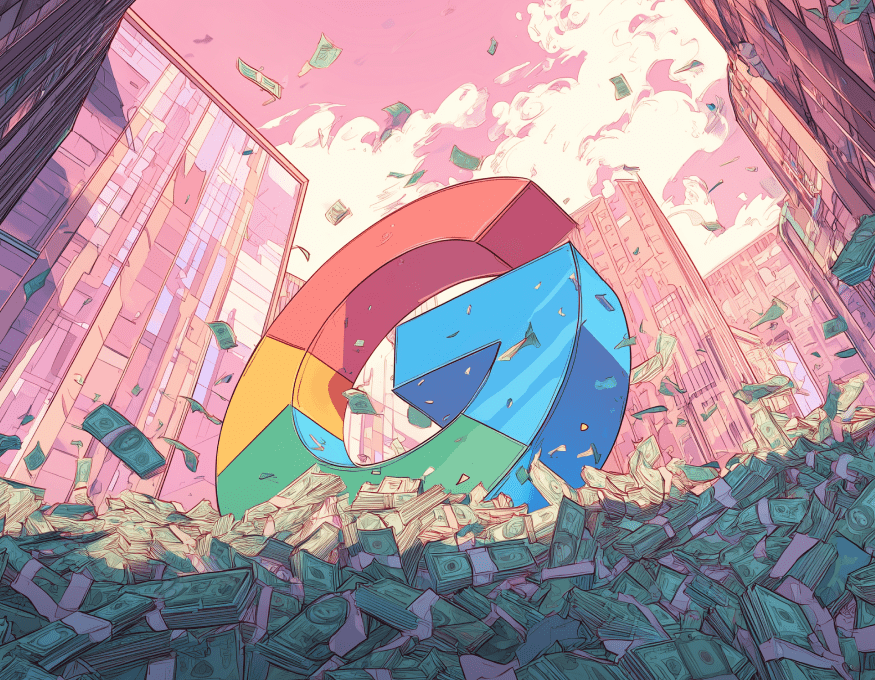
Alphabet (NASDAQ:GOOGL) announced an $80 billion equity capital raise on Monday to fund what it called “unprecedented customer demand” for AI compute. By Tuesday, the deal had been upsized to US$84.75 billion at pricing.
💸 How it’s structured
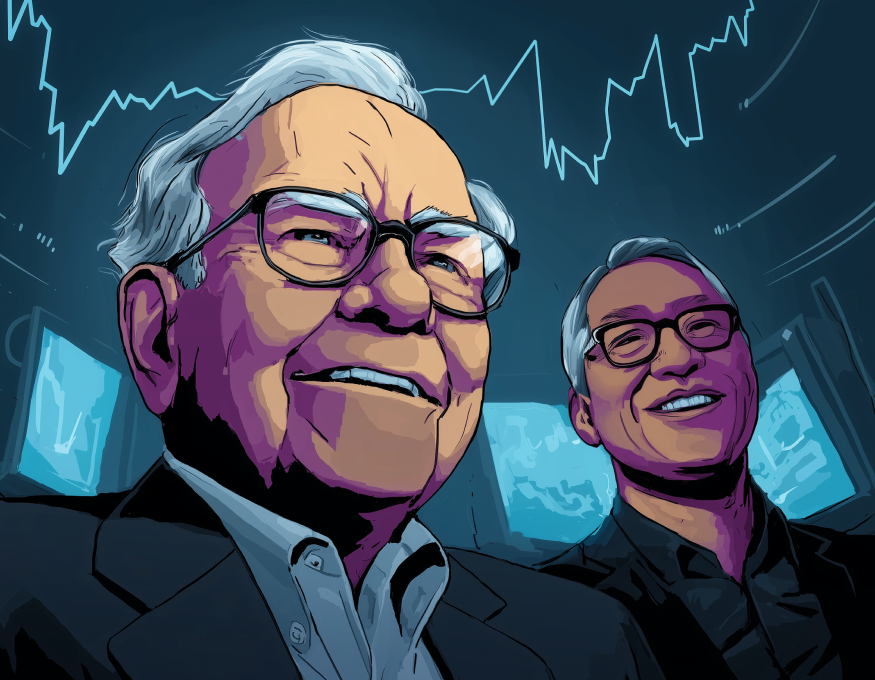
The raise has four parts. US$15 billion in common stock (Class A and C). US$15 billion in mandatory convertible preferred stock. A US$40 billion at-the-market program rolling out from Q3 onwards. And a US$10 billion private placement to Berkshire Hathaway — Buffett buying at US$351.81 (Class A) and US$348.20 (Class C).
That last part is the eyebrow-raiser. Berkshire had been quietly adding to its Alphabet position since Q3 2025. The private placement formalises a long-term bet from the world’s most patient investor on AI capex.
🏗️ Where the money goes
Net proceeds are earmarked for capital expenditures to scale AI infrastructure and global compute. Alphabet spent $91.4 billion on capex in 2025 — up from $52.5 billion the year before — and has committed to spending “significantly more” in 2026.
There’s also one less-headline-grabbing line item. Roughly US$30 billion of the ATM program will be used to settle employee equity tax obligations, rather than diluting shareholders to pay them. That’s a creative use of treasury, and it tells you something about how much equity Google has been distributing internally during the AI build.
📈 Why it matters
Alphabet doesn’t need to raise this money. It generated US$110 billion in net income last year. The decision to raise equity rather than issue debt is the signal: management thinks the AI capex cycle has years to run, and they’d rather lock in equity capital at a market high than wait. The fact that Berkshire is on the other side of the trade gives it institutional weight.
Combined with Anthropic’s filing, this was the week the AI infrastructure capital cycle moved from “theme” to “institutional reality.”
🔦 Some other things we’re shining the Spotlight on:
BHP AND RIO HIT RECORD HIGHS: The Aussie heavyweights closed at all-time highs on Wednesday, with BHP (ASX:BHP) up 2.4% and Rio Tinto (ASX:RIO) up 1.6%, as copper pushed near US$14,000 per tonne on the London Metals Exchange. The ASX 200 finished at 8,785.7, with the GDP miss, leading some market participants to price out a June RBA hike, coinciding with a rotation of flows back into resources.
IREN’S $10B SOUTH AUSTRALIAN PUNT: Nasdaq-listed Aussie-founded IREN (NASDAQ:IREN) announced plans for an 800MW AI data centre campus in Bundey, South Australia — its first Australian project and one of the largest ever announced in the Asia-Pacific. The AFR put the project at roughly $10 billion. Initial energisation is targeted for 2028, with submarine fibre linking the site to Singapore, Indonesia, South Korea and Japan.
NASA ETF CLEARED FOR TAKEOFF: Tema Space Innovators ETF (NYSE:NASA) Sees Rapid Asset Growth: Launched on 30 March, the Tema Space Innovators ETF (NYSE:NASA) has more than US$2.6 billion in assets ahead of the SpaceX IPO. It’s the first pure-play space ETF with direct SpaceX exposure (currently around 7.5% of the portfolio) and crossed US$1 billion in just 37 trading days. This rapid asset accumulation coincides with broader market interest ahead of the anticipated SpaceX IPO.
Keep up to date on the markets by following us on Instagram @superheroau.

Become a part of
our investor community
Why you should join us:
- Join free and invest with no monthly account fees.
- Fund your account in real time with PayID.
- Get investing with brokerage from $2. Other fees may apply for U.S. shares.
Read our latest articles
Make knowledge your superpower and up your skills and know-how with our news, educational tools and resources.