

July 17, 2026
Cool prints, Big Blue’s bad break
Hey Superheroes, The inflation number the market had been waiting for landed better than expected on the back of a temporary ceasefire in Iran. US headline CPI fell 0.4% in June, its largest one-month drop since April 2020. Year on year, the annual rate declined to 3.5% from 4.2% in May, the first pullback in…


Scan this article:
Hey Superheroes,
The inflation number the market had been waiting for landed better than expected on the back of a temporary ceasefire in Iran. US headline CPI fell 0.4% in June, its largest one-month drop since April 2020. Year on year, the annual rate declined to 3.5% from 4.2% in May, the first pullback in the annual rate since January. Core CPI was flat on the month and up 2.6% annually, also softer than forecast. Energy was the main driver of the decline but renewed escalation threatens to reverse those gains.
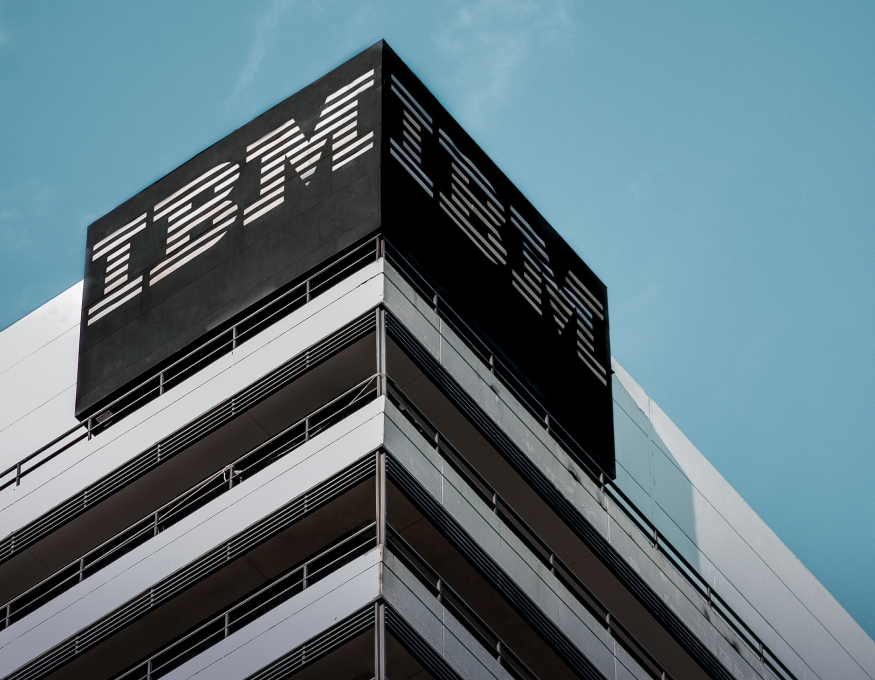
The good news on inflation was somewhat overshadowed by one of the most dramatic single-day collapses in US corporate history. IBM (NYSE:IBM) crashed 25% on 14 July, wiping out roughly $69 billion in market value in a single session. More on that shortly.
On the brighter side, the U.S. banks earnings season opened strongly. JPMorgan posted record net income of $21.2 billion for Q2, while Citigroup, Goldman Sachs and Wells Fargo all beat estimates. Wells Fargo revenue rose 9% year on year. A split picture for corporate America: Wall Street is thriving, Big Tech’s enterprise software names are under pressure.
Here’s what else moved this week.
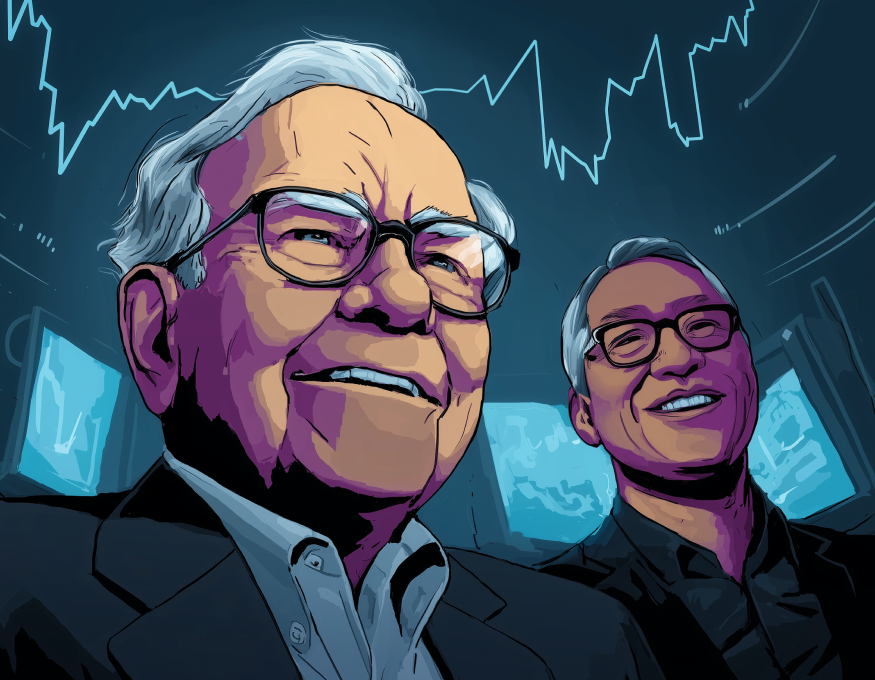
Big Blue’s black Tuesday: IBM crashes 25% in worst day on record
IBM (NYSE:IBM) has been listed on the New York Stock Exchange since 1916. In 110 years of trading, it has never had a day like Tuesday.
1. The numbers
Preliminary Q2 results showed adjusted earnings of $2.93 a share on revenue of $17.2 billion, below consensus of $3.01 a share and $17.86 billion. The stock fell 25.21% to close at $217.07, surpassing its prior worst day of 19 October 1987 when it fell 23.7%. Records go back to 1968. The move erased roughly $69 billion in market value in a single session.
2. What management said
CEO Arvind Krishna attributed the miss to a late-June shift in enterprise capital spending. Clients are redirecting budget away from IBM’s software and infrastructure business toward servers, storage and memory, seeking to secure supply-constrained AI hardware ahead of expected price rises. Krishna said “we faltered” and that some deals failed to close on time.
3. What the numbers don’t tell us
The hardware-shift explanation is management’s own framing of a miss and has not been independently verified as a sector-wide pattern. IBM’s full Q2 results and investor call are scheduled for 22 July, that is when the market will find out whether this is a one-quarter timing issue or something more structural.
4. The read-through
Three in five software stocks fell on the day, led by Atlassian, ServiceNow and Adobe. Cybersecurity was the exception, rallying throughout the session. The divergence tracks exactly what Krishna described: clients who deferred software projects still spent on security. IBM’s full results on 22 July will be closely watched across the sector.
Stripe’s play for the payments crown: $53 billion bid for PayPal
The payments industry’s biggest deal in years landed on Wednesday and it involves two of the most recognisable names in fintech.
1. The offer
Stripe and private equity firm Advent International submitted a joint offer to acquire PayPal (NASDAQ:PYPL) at $60.50 a share, valuing the company at more than $53 billion and representing a 28% premium to PayPal’s prior closing price. The offer includes roughly $50 billion in committed bank financing, with Stripe and Advent set to hold equal stakes.
2. The market reaction
PayPal shares surged as much as 18 to 19% on the news. That’s a striking move for a stock that had lost roughly 85% of its value from its 2021 peak and was down around 19% year-to-date before the offer emerged. The market had clearly not priced in any M&A premium.
3. The board process
PayPal has been working with Goldman Sachs and Evercore to review strategic options. The board is expected to meet as soon as 20 July to consider the offer. Neither PayPal, Stripe nor Advent has commented publicly. The offer was first made in early April but Wednesday’s report marks the first time it became public.
4. What to watch
PayPal peaked near $360 billion in 2021. A $53 billion valuation is a fraction of that. The board’s task is to decide whether $60.50 represents fair value or whether the company is worth more as a standalone, particularly as stablecoin and digital payments infrastructure grows in strategic importance. The 20 July board meeting is the first test.
Some other things we’re shining the Spotlight on:
MACQUARIE HITS FRESH RECORD HIGH
Macquarie Group (ASX:MQG) shares closed at a fresh record high this week, extending a roughly 25% rally in 2026. FY26 net profit came in at about $4.85 billion, up around 30% on the prior year, with the Commodities and Global Markets division singled out as a beneficiary of energy and metals volatility. The Iran-driven commodity chaos that rattled many portfolios this year was, for Macquarie, a revenue event.
TSMC POSTS RECORD PROFIT, SHARES STILL FALL
TSMC (NYSE:TSM) reported Q2 revenue of $40.2 billion, up 33.7% year on year and net profit up 77.4%, its fifth straight record quarter, beating analyst estimates on both measures. Shares still fell as investors weighed rising capital spending and a 17.5% quarter on quarter drop in free cash flow against the AI-driven result. A record result that still disappoints is a useful reminder of how high the bar has been set for the sector.
APPLE SUES OPENAI OVER TRADE SECRET THEFT
Apple (NASDAQ: AAPL) filed a suit against OpenAI in a Northern California federal court, alleging trade secret theft at every level of the AI lab in developing consumer AI hardware. The claim includes an allegation that a former Apple vice president now leading OpenAI’s hardware effort directed staff to share confidential information. OpenAI denied the claims, saying it has no interest in other companies’ trade secrets. Apple is seeking damages and an order barring OpenAI from using its trade secrets.
Keep up to date on the markets by following us on Instagram @superheroau.

Become a part of
our investor community
Why you should join us:
- Join free and invest with no monthly account fees.
- Fund your account in real time with PayID.
- Get investing with brokerage from $2. Other fees may apply for U.S. shares.
Read our latest articles
Make knowledge your superpower and up your skills and know-how with our news, educational tools and resources.